Key Takeaways
- Regular pipeline cleaning prevents buildup that can impede flow and increase energy consumption.
- Advanced cleaning methods, such as pigging and ice pigging, offer efficient and environmentally friendly solutions.
- Integrating AI and robotics into pipeline maintenance enhances inspection accuracy and operational efficiency.
Ensuring pipelines remain free of obstructions is crucial for industries moving liquids and gases over long distances. Debris, scale, and residue can gradually build up within pipeline systems, leading to energy inefficiencies, increased maintenance costs, and even the risk of operational shutdowns. Adopting advanced pipeline cleaning pigs for optimal flow and performance allows operators to efficiently address these issues before they disrupt operations.
Among the most pressing concerns for pipeline-dependent organizations is finding sustainable, cost-effective solutions that maximize flow rates and reduce long-term expenses. Traditional cleaning methods often fall short in today’s rapidly advancing industrial landscape, emphasizing the need for innovative technologies that deliver precision and adaptability. As industries transition to these new approaches, pipeline networks benefit not just from improved efficiency but also from increased safety and reliability.
Modern pipeline cleaning solutions offer distinct environmental and economic benefits, including reduced chemical use, waste generation, and energy consumption. This shift is crucial, as global industrial standards are increasingly emphasizing sustainability and operational resilience. By leveraging state-of-the-art cleaning technologies, companies can extend the lifespan of their pipelines, enhance regulatory compliance, and foster a culture of preventive maintenance.
In addition to internal improvements, staying ahead of regulatory changes and global best practices can position organizations as industry leaders. Consistent, proactive pipeline cleaning has become a hallmark of responsible infrastructure management and is essential for maintaining uninterrupted supply chains.
The Importance of Pipeline Cleaning
Pipeline fouling can severely obstruct product flow, resulting in elevated pressure drops, excessive fuel consumption, and unnecessary strain on pumping equipment. For example, a major gas pipeline operator faced extensive buildup in a 30-inch diameter pipeline segment. After investing $800,000 in comprehensive cleaning, they saw efficiency rise from 58% to 96%, resulting in a $1.2 million savings in compressor fuel over just seven months. These results are not uncommon many operators experience measurable productivity gains by prioritizing regular, systematic cleaning.
Unmaintained pipelines also pose elevated safety risks, including rupture and contamination, which can lead to environmental harm and substantial regulatory penalties. Consequently, pipeline cleaning is not just a cost-saving measure: it’s a foundational requirement for safety and ongoing operational integrity.
Traditional Cleaning Methods
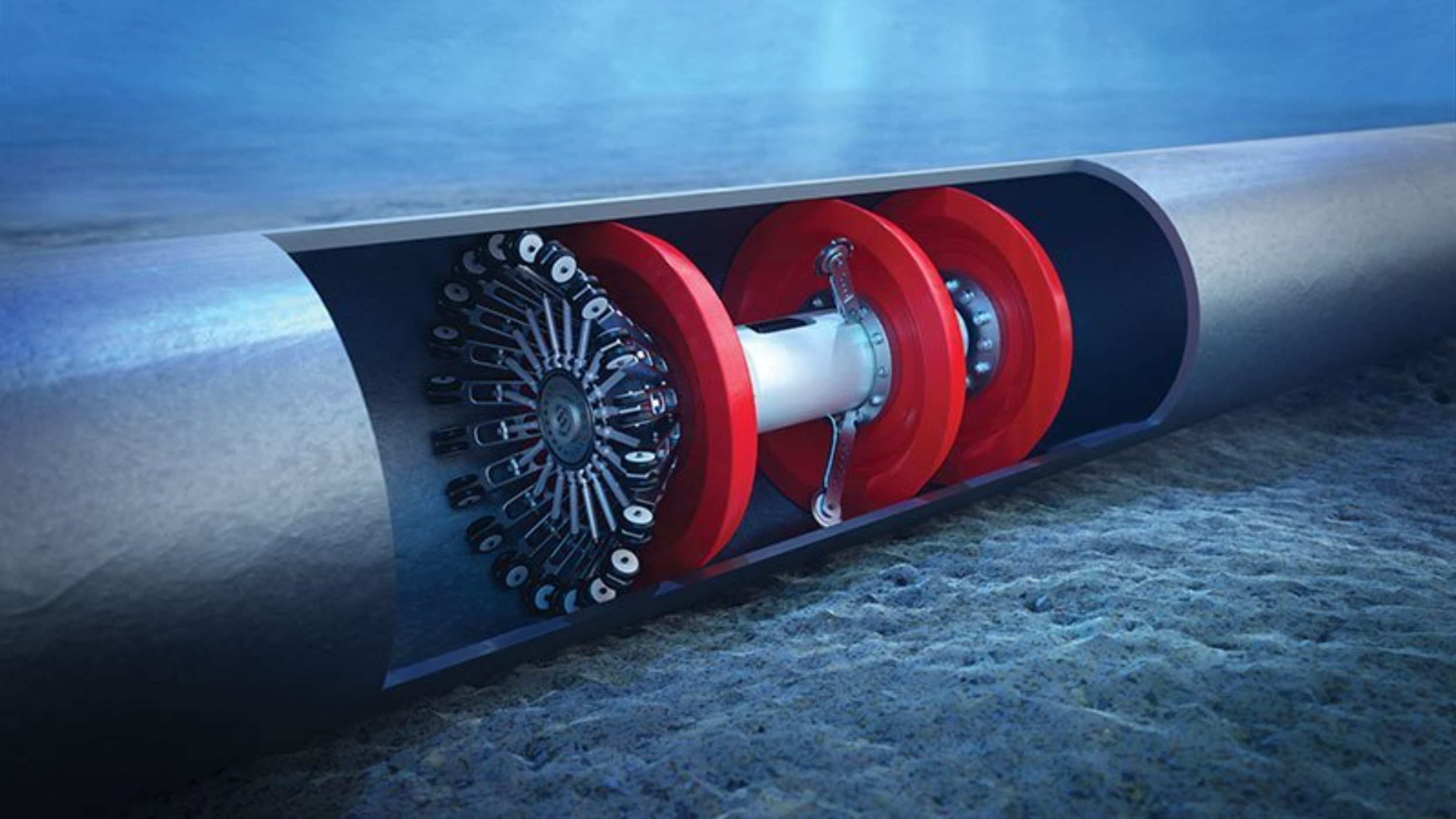
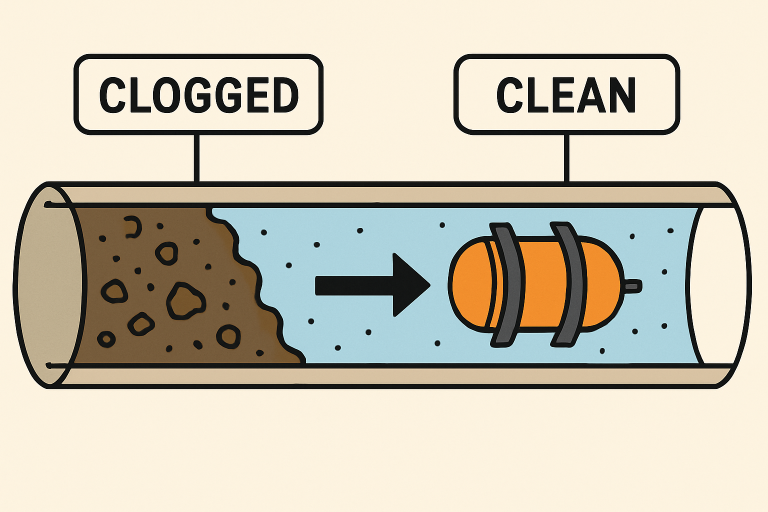
Mechanical pigs specialized devices maneuvered through pipeline networks represent the cornerstone of traditional pipeline cleaning. These pigs scrape, sweep, and push debris along the interior, restoring clear passageways for gas and liquid products to flow smoothly. While generally reliable, mechanical pigging can be slow, particularly in complex or aging pipelines with intricate bends, reduced diameters, or sensitive junctions. Incomplete removal of debris often leads to re-accumulation, mandating frequent repeat operations.
Hydrostatic flushing, another traditional technique, uses pressurized water to dislodge contaminants. However, this method can result in high volumes of wastewater and is less capable of removing solid or adherent deposits compared to mechanical pigs. Traditional methods prove effective under specific conditions but often lack the adaptability and thoroughness required for today’s intricate pipeline grids.
Innovative Cleaning Technologies
Modern advancements in cleaning technologies emphasize enhancing efficacy while minimizing operational impacts. Advanced solutions, such as pigging systems and ice pigging, are revolutionizing the cleaning process. Pigging systems, such as the Ultra Clean Pigging System, demonstrate significant potential for product recovery, reducing product loss by up to 70% compared to traditional methods. This not only saves resources but also addresses environmental and regulatory concerns by recapturing valuable products and conserving water. Meanwhile, ice pigging utilizes a mixture of ice and water to effectively remove stubborn deposits within pipelines, accommodating a wide range of materials and sizes. Its non-invasive nature ensures that no contaminants are left behind, positioning it as an eco-friendly technique suited for sensitive cleaning tasks.
Integration of AI and Robotics
Digital transformation within industrial maintenance has ushered in a new era of smarter pipeline management. By harnessing artificial intelligence (AI), sensors, and robotics, operators can continuously monitor pipeline conditions, predict maintenance requirements, and initiate interventions before issues escalate. Predictive maintenance algorithms analyze real-time sensor data, quickly spotting early warning signs of corrosion, deposits, or mechanical stress.
This proactive approach streamlines maintenance schedules and reduces unplanned downtime by as much as 20%, while simultaneously lowering maintenance costs by 15%. Robotics-equipped cleaning pigs also help access sections of pipelines that were previously deemed unreachable using conventional techniques, thereby enhancing accuracy and reducing operator exposure to hazardous environments.
Environmental and Economic Benefits
- Improved flow rates result in lower energy consumption and reduced greenhouse gas emissions.
- The adoption of advanced technologies extends pipeline lifespan, reducing the need for frequent repairs or costly replacements.
- Minimized reliance on chemical cleaning agents and reduced waste generation to support sustainability targets and compliance efforts.
A comprehensive pipeline cleaning program, integrated with modern technologies, supports a culture of preventive asset management and contributes directly to a facility’s bottom line and sustainability commitments. The cost savings from lost product, reduced energy usage, and improved regulatory compliance can be significant, positioning organizations for a greater competitive advantage.
Conclusion
Embracing the latest pipeline cleaning technology is essential for ensuring reliable, efficient, and environmentally conscious transmission systems. As operational standards rise and sustainability becomes a core business objective, the adoption of innovative cleaning methods ranging from advanced pigging systems to AI-powered robotics empowers industries to sustain optimal flow, minimize costs, and demonstrate environmental leadership. Investing in these solutions is not only prudent but also an operational imperative for the evolving landscape of global infrastructure management.