Running a product business from your house sounds great until you are eating dinner next to three pallets of imported ceramics. The reality of storing, packing, and shipping physical goods from a residential property hits hard and fast.
Many founders start in the spare room. Then the inventory bleeds into the hallway. Soon, the garage is entirely taken up by shipping boxes and bubble wrap. If you want to make this work without destroying your living space, you need strict boundaries and proper systems.
Receiving Stock in a Residential Area
The first major hurdle you will face is getting products into your house. Commercial freight carriers are used to backing up to loading docks. They aren’t used to navigating tight suburban streets with a massive truck.
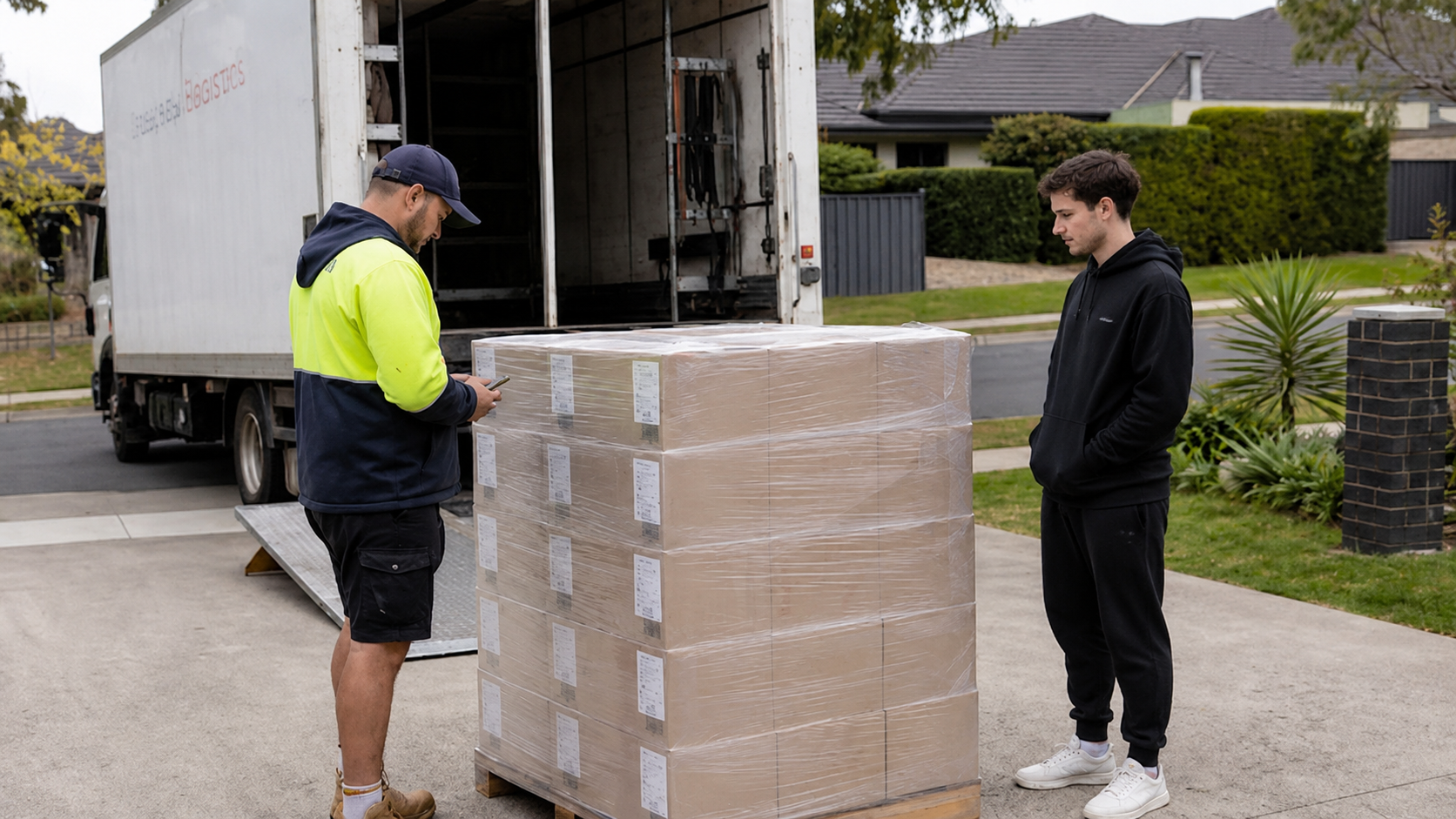
When you order stock in bulk, it usually arrives on pallets. You need to know if the delivery truck has a tailgate lifter. If they don’t, the driver will expect you to have a forklift ready to unload. Since you are operating from home, you obviously won’t have one. Always specify that you need residential delivery with a tailgate.
You also need to think about where a pallet can actually go. Pallet jacks cannot roll over grass or gravel. They need smooth concrete. If your driveway is on a steep incline, the driver might refuse to unload the pallet at all. Be prepared to break down pallets on the street and carry boxes inside one by one if things go wrong.
Keeping Your Inventory Organised
Space is your biggest limitation. A service business just needs a laptop. A product business needs shelving, packing tables, and climate control.
Start by measuring exactly what you have. Buy heavy industrial shelving rather than cheap hardware store racks that bow under weight. Keep your fast moving stock at waist height. Put the heavy items at the bottom.
When your stock outgrows the spare bedroom or garage, don’t start piling boxes in the living room. That’s the quickest path to hating your own house. This is the right time to look at local storage units to hold excess stock. You can keep a week’s worth of inventory at home and treat the offsite unit as your main warehouse. It keeps your house livable and forces you to track stock movements properly.
Implement a basic bin location system early on. Relying on your memory works when you have twenty products. It completely falls apart when you have two hundred variations of colour and size. Use simple inventory software to track what you have.
Protecting Your Financial Assets
People often forget that residential homes aren’t built to be commercial warehouses. Garages leak. Spare rooms get damp. Dust accumulates faster than you expect.
If you are storing thousands of dollars of stock at home, your standard home and contents insurance probably won’t cover it if something goes wrong. You need specific business insurance for stock kept at a residential address. Speak to a broker to ensure your stock is covered against both theft and environmental damage.
Water damage is a major threat to packaged goods. Keep everything off the floor. Use pallets or raised metal shelving even inside the house. An unexpected issue like a burst pipe can ruin an entire shipment of cardboard boxed goods in minutes. Maintain a reliable network of trade experts, such as Melbourne plumbers.
Setting Up a Functional Dispatch Station
Packing orders on the kitchen bench gets old quickly. You need a dedicated packing station.
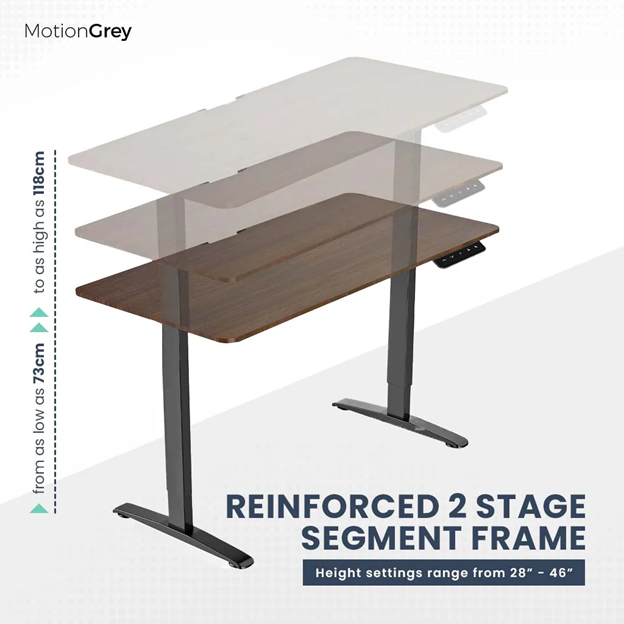
Set up a solid table at standing height. Keep your tape, satchels, scissors, and warning labels within arm’s reach. You want to be able to pack an order without taking more than one step in any direction. Every second you spend walking across the room to grab a shipping label adds up when you process fifty orders a day.
Get a commercial label printer. Printing shipping labels on standard A4 paper and taping them to boxes wastes time and looks unprofessional. A thermal printer pays for itself in saved time within the first few weeks.
Invest in a set of accurate digital scales. Guessing the weight of a parcel will either result in you overpaying for shipping or your customer receiving a card to pay excess postage fees. Neither outcome is good for your margins or your reputation.
For shipping, rely on a mix of AusPost and courier services like Sendle depending on the parcel size and destination. Open business accounts with them immediately to get volume discounts. Book daily pickups if you can. Dragging huge sacks of parcels to the local post office every afternoon is not a productive use of your time.
Processing Customer Returns
Returns are an unavoidable reality of selling physical products. When you operate out of your house, returns mean packages arriving randomly at your front door.
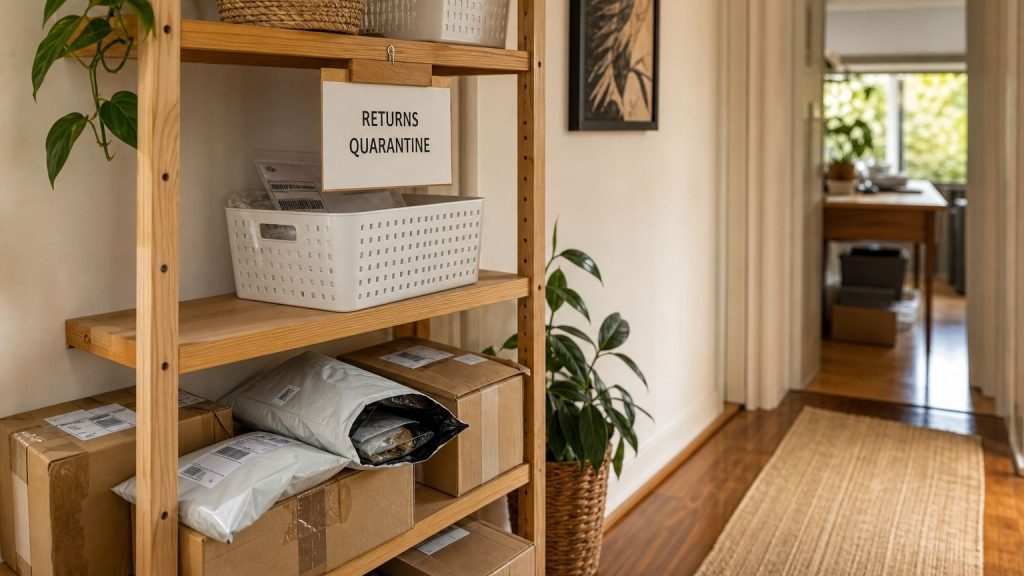
You need a clear policy and a designated quarantine zone for incoming items. Don’t mix returned stock straight back into your main inventory shelving. You need to inspect the items first to ensure they aren’t damaged or used.
Create a specific box or shelf near your front door for returns. Open them once a week in a single batch. Check the condition, process the refund through your ecommerce platform, and then either repackage the item for sale or write it off. Handling returns individually the second they arrive disrupts your entire day.
Making Your Business Visible
You’ve got the stock and the packing station sorted. Now you need people to actually buy the products.
Before spending money on social media ads, get the basics right. Make sure your business can be found easily online. Claiming the various free local business listings Australia has available is a simple first step. Even if you don’t have a physical shopfront for customers to visit, having a verified business profile helps with local search visibility and builds credibility with buyers.
Focus on clear product photography and accurate descriptions. When people buy online, they are buying the photograph and the specifications. If your photos are dark and taken on a phone in your living room, the product looks cheap. Invest in a basic lightbox or wait for decent natural light.
Don’t ignore email marketing. Collecting emails from your first few customers gives you a direct line to sell to them again later. Sending a simple text based email about a new product line often converts better than heavily designed promotional blasts.
Managing the Daily Operations
Routine is the only way to survive working and living in the same environment.
Set specific cut off times for daily dispatch. If an order comes in after 1 PM, it ships the next day. Sticking to a schedule stops you from constantly running to the post office for single late orders. It also sets clear expectations for your customers.
Keep track of your packaging supplies as strictly as you track your actual product inventory. Running out of custom mailer boxes on a Tuesday means you can’t fulfil orders until Friday. Keep a buffer of at least two weeks’ worth of shipping materials at all times.
Separate your business trash from your household rubbish. Running a product business generates a massive amount of cardboard waste from incoming supplier shipments. Your standard council recycling bin will fill up in a single day. You will likely need to organize a commercial cardboard collection service to come to your house every fortnight.
Working from home with physical products requires discipline. You just need to treat the space with the same respect you would treat a leased commercial facility. Keep your zones separated and your stock managed.