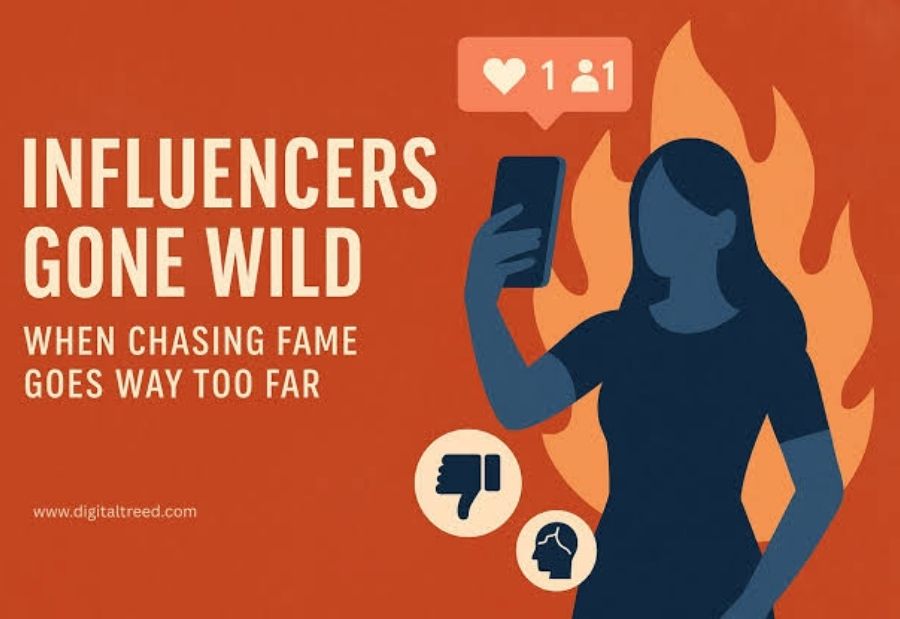
In today’s virtual panorama, social media influencers expand influential voices that shape a way of life, an opinion, or perhaps even a general lifestyle. TikTok, YouTube, Instagram, Facebook, X (Twitter) and many other systems have created a new era of online personalities that create large, engaged audiences through shared modern content.
Unlike traditional celebrities who rely on movies, event carriers, or TV commercials, influencers increase their presence through virtual systems as they connect with audiences by sharing photos, movies, memories, and private views to build genuine time and trust.
This gives very good responsibilities, which have an impact on adherence. Influencers are often seen as trendsetters, and their content and content can strongly influence public opinion. Thus, their communication, distribution of goods, and conversations with lovers play an important role in developing a lifestyle along the way.
An influencer can be described as a person who builds a strong on-line identity and influences the action or behavior of their target market through content and interaction.
Influencer engagement with a marketing career has emerged as an essential method for bands today. Brands are currently streaming with content creators to reach targeted audiences with the efficiency and authenticity they identify with. A well-planned influencer marketing advertising strategy typically creates a hallmark:
Finding the Right Influencers for the Place
keeping their target market captivated and engaged
Expanding brand visibility across social structures
Driving targeted campaigns to reach potential customers
The obvious interest is the agreement on measurable industrial employment growth.
What Does “Influencers GoneWild” Mean?
The term “Influencers GoneWild” is often used in online discussions to describe situations where a social media personality acts outside the boundaries of expected professional or ethical behavior.
In easy terms, tenure refers to moments when influencers create or percentage content that is seen as irrelevant, surprisingly argumentative, or attention-seeking in nature, as influencers are closely dependent on visibility and engagement, which can additionally push boundaries as a way of pushing social pressure.
There are often several common patterns associated with this type of behavior.
1. Attention-grabbing or stimulating materials
Some influencers additionally submit crude, argumentative or emotionally charged content to boom engagement. This can include hang-up scenes, strong opinions, or polarizing themes designed to spark dialogue and improve visibility.
2. Mass Clashes and Cyber Drama
In a few cases, influencers appear concerned in public disputes with other producers or public figures. These disagreements can be shamelessly shared on social media, arouse interest, and now and again escalate to large online discussions.
3. Risky trends and dangerous challenges
Another challenge is participating in diverse on-line properties or stunts to gain perspective or gain viral reach. While those moves can also boost interest in a quick time, they can occasionally result in security risks or serious consequences, such as criticism or lawsuits .
The Evolution of Attention-Seeking Content
Miles are needed to match the scale of social media usage around the world to capture the rise of influencer practices. Today, a large percentage of the region’s population actively uses social media platforms, including Instagram, TikTok, YouTube, and Facebook. With billions of customers on the line, these structures offer influencers a huge target audience and unlimited opportunities to reach and engage.
The interest of influencers no longer appeared overnight. It has gone hand in hand with the rapid expansion of social media itself. Early range content sources significantly and consistently shifted to recognition especially for sharing skills, learnings and private insights yet increasing competition for the hobby over the years has led to panorama change.
In a few cases, this has led to an upward push of fantastically sensational or “shock-rate” content. When influencers upload attention-grabbing posts or diverse outfits, they often experience a rapid increase in visibility through likes, stock, and feedback. These direct comments can trigger repeated behavior, fueling a cycle where increasingly ambitious content is used to protect the interest of the audience.
Explored sources to find reliable online retention means that include people referred through the Children’s Hospital of Philadelphia – Injury Prevention Research, it was noted that non-static or stunt-based absolutely totally online content as opposed to significantly more educational or informational audio-referenced content can be altered by behavior in the checklist.
How Did Influencer Culture Create the Conditions for Influencers GoneWild?
The influencer lifestyle has grown suddenly due to the large accessibility and use of social media structures. Unlike traditional media, where reputation seems to be managed through experts, television networks or production companies, virtual structures allow humans to create markets instantly. With the right mix of creativity, consistency and time, every person can benefit from their fast-tracked specialized rules.
This has definitely changed how interest works on-line. Social media algorithms prioritize content that generates strong engagement, such as likes, reactions, lists, and watch times. As a result, posts that are emotional, logical, or beautifully specific regularly garner more trust than unbiased or informative content.
Because of this aggressive environment, many content creators feel an obligation to constantly boom the hobby so you can possibly survive being overlooked. This can often result in pushing barriers or intense line behavior to maintain connected audiences. In this context, the concepts of “Influencers GoneWild” are used to provide explanations for situations where creators exceed traditional expectations of pursuing engagement.
Overall, these techniques reflect a broader shift in virtual media, where visibility is generally more driven by the use of structures and algorithms to target market responses as alternatives to traditional desires for credibility or the status quo .
The Psychology Behind the Phenomenon
The strain of surviving the throbbing flow of an unpredictably evolving and noticeably aggressive worldwide social media landscape has emerged as one of the key drivers behind what is widely described as “influencer wildfire.” Many content creators operate in an environment where visibility without delay impacts revenue, share, and long-term growth. As an end result of the hiatus of losing outside of faculty, they are largely stuck in actual content development and experience creating content content that works nicely under the algorithms of the platform
Modern social media systems typically charge for content material clothing that quickly captures interest – with trending topics, emotional reactions, or sensational theories. At the same time, too much depth or substantial material content can also lead to low visibility. This imbalance may additionally drive certain producers to better push innovative and ethical barriers in order to remain competitive in the oversaturated virtual space.
Several psychological and behavioral factors help explain this sample.
Reliance on Social Validation
Likes, reactions, and shares actually allow you to comment on photos. Over time manufacturers moreover begin to rely more deeply on this involvement, which complements the hobby’s daily choice of attractive materials and clothing
Fear of losing relevance
Many influencers fear that normal actions away from the location, moreover, may additionally decrease or misplace the visibility of the target marketplace This stress often insufficiency regularly encourages the choice of unstoppable gear and clothing clothing even under stress.
Financial Motivation and Pressure
For many manufacturers, social media is the number one division of profits. When revenue depends on engagement phases, prioritize content that works well each time over the speed of a long-term methodology or personal barrier.
Private and On-line Identity Fog
Over time, many influencers begin to merge their on line personality with their real identity. This mix can make it difficult to share private first-class public expectations, increasing concerns about constantly maintaining a certain image.
How Does Influencers GoneWild Impact Mental Health?
Mental conditioning plays an important role in seeing the pressures behind extreme or controversial affective behavior. The fast-paced nature of social media often exposes creators to static evaluations, stress of certain performances, and wanting to be seen constantly and over the years these factors can contribute to emotional strain, perpetuating a constant experience of identifying stress, burnout and problems.
For many influencers, their online presence is carefully tied to personal and professional accomplishments. Because of this flirtation, even small swings in engagement or market reaction can feel big. This environment can make it extra difficult to maintain consistency between public expectations and personal left-leaning.
When conflicts come up the line, the psychological impact is perceived as extra extreme. Public complaints, crude comments, and sudden adjustments to reputation can additionally lead to pressure, emotional exhaustion, and in some cases, financial instability due to lost sharing opportunities These assessments can have a long-term impact on the mental health of the average youth.
At the same time, repeating sensational or controversial material can also have an impact on the audience. Over time, this will normalize dangerous forms of communication or encourage negative online behavior, contributing to a much less supportive digital environment.
The Platform’s Role
Social media structures have complex tasks when it comes to managing influencer content. Their recommendation systems prioritize engagement, meaning content that inspires strong reactions—fantastic or negative—typically gets extra visibility. While most systems have web indicators in place to reduce hazardous or problematic material content, the distinction between controversial expression and truly hazardous clothing is not consistently honest.
To address those issues, many platforms come with a range of safety and moderation measures. These typically include warning labels on content material that may contain volatile behavior, reducing or suspending monetization for posts that violate platform requirements, using short breaks or consequences for repeated coverage violations Additionally, some structures now offer in-app generation of signals that are closer to feed intelligence defacted are Customer provide.
Despite their efforts, noticeably controversial or sensational content may still be widespread, suggesting that existing security measures will generally be insufficient in a rapidly changing digital environment As an end result, debates can continue on how structures can strengthen their systems to balance the effectiveness of disinformation consumer safety.
Possible improvements being explored include the use of advanced detection tools to detect undoubtedly harmful content before it spreads widely, more transparency about how algorithms deliver content, and clearer reasons to creators as to why certain posts are being promoted or promoted There is an increasing importance of such content grading to sail.
What Are the Business and Brand Risks of Influencers GoneWild?
While brands today rely on influencers as part of their virtual advertising and marketing process, this partnership also comes with skill risks when the influencer will interact in chat or beside point behavior and can quickly influence their partners.
Such instances can lead to suspended or canceled campaigns, financial setbacks and, in some cases, contractual or even jail entanglements. Groups therefore now take more cautious pleasure in choosing producers to symbolize their services and products. Many companies have strengthened their vetting techniques to raise the influencer’s public behavior, values, content, and content credentials before entering into partnerships.
Instead of focusing entirely on viral reputation or follower trust, brands are increasingly prioritizing long-term partnerships with creators who demonstrate consistency, professionalism, and consistency of brand values This shift reflects a broader business of influencer advertising and essentisus advertising, where consensus.
Overall, those attributes recommended companies to make more strategic and threat-aware strategies so that certain influencer partnerships definitely contribute to the symbol image and long-term promise.
The Audience Paradox
One of the most intriguing aspects of affective culture is the role that audiences play in shaping creative behavior. The viewers often act as critics and animated individuals simultaneously within the machine. While many humans may additionally express disapproval or concern in positive influencer movements, the identical content can nonetheless receive high engagement in the form of views, likes, shares, and comments.
This creates a complex situation where attention is the only form of reward. In many cases, negative feedback also contributes to increased visibility, which incidentally may encourage the very performance of audience criticism. As an end result, influencers can also enjoy both feedback and immediate reception of a piece of content.
Media scholars mentioned that this dynamic leads to mixed signals about which can be socially appropriate online. When audiences publicly reject certain behaviors but engage with them, it creates a disconnect between stated values and actual digital behavior. This inconsistency can make it difficult to set clear requirements for visiting and responsibly consuming material content.
Overall, this reflects a broader initiative within the digital framework, where marketing plays a direct role in shaping what content is amplified, regardless of whether it is received positively or negatively.
What Legal Issues Are Linked to Influencers GoneWild?
Legal liability has emerged as a serious problem for a growing number within an influential company. As social media advertising and advertising continue to grow, manufacturers are now expected to adhere to the same legal and ethical standards as traditional advertising media and face serious consequences when influencers fulfill these obligations.
Common prison problems include not nicely publishing paid sharing or approved content that may violate marketing regulations in many areas. Additionally, the sharing of misleading or incorrect records can lead to regulatory action, especially when it affects customer choices.
Influencers may additionally face criminal claims related to defamation, copyright infringement, invasion of privacy, or breach of contract with creators and companies These risks highlight the importance of information from forum informants and extensive imprisonment frameworks.
As influential financial instruments become more secure and controlled, legal liability is likely to increase. These days, producers anticipate images with more transparency and professionalism, especially when partnering with brands or addressing large audiences. Developing a clean knowledge of prison legal responsibility is critical to building a safe and long-lasting career in the virtual space.
FACTS:
1. Definition of the Term
“Influencers GoneWild” is an informal internet term used to describe situations where social media influencers act in ways that go beyond accepted professional, ethical, or community standards. This may include controversial content, risky behavior, or attention-driven actions that attract strong public reactions.
2. Rise of Influencer Culture
Influencer culture grew rapidly due to the expansion of platforms like TikTok, Instagram, YouTube, Facebook, and X (Twitter). Unlike traditional celebrities, influencers gain recognition through digital content rather than film, TV, or mainstream media appearances.
Today, billions of users actively engage with social media, making it one of the largest attention-driven ecosystems in the world.
3. Why “Gone Wild” Behavior Happens
Several structural and psychological factors contribute:
- Algorithm-driven engagement rewards viral and emotional content
- Financial dependence on views, likes, and sponsorships
- Fear of losing audience relevance
- Strong pressure to stay visible in competitive markets
- Blurred boundaries between personal and public identity
4. Common Types of Influencer Controversies
- Attention-seeking content: Provocative or emotional posts designed to go viral
- Online conflicts: Public arguments or “drama” between creators
- Risky challenges: Dangerous stunts performed for views
- Controversial opinions: Statements that spark public backlash
5. Psychological Impact
Influencers often experience:
- Anxiety from constant online evaluation
- Dependence on audience validation (likes, comments, shares)
- Burnout from pressure to stay relevant
- Identity confusion due to blending personal and online personas
These challenges can affect both mental health and long-term career stability.
6. Impact on Audiences
Audience behavior plays a dual role:
- Users may criticize controversial content
- Yet engagement (views, shares, comments) still increases visibility
This creates a paradox where negative attention can still reward creators.
7. Risks for Brands
Brands working with influencers face:
- Reputation damage from controversial posts
- Cancelled or paused marketing campaigns
- Financial and legal risks
- Loss of consumer trust
As a result, companies now prioritize long-term, value-aligned partnerships.
8. Legal Concerns
Influencers may face legal issues such as:
- Failure to disclose sponsored content
- Defamation or misinformation claims
- Copyright violations
- Privacy breaches
- Contract disputes with brands
Regulatory scrutiny around influencer marketing continues to increase globally.
9. Platform Responsibility
Social media platforms attempt to manage risks by:
- Adding warning labels on harmful content
- Reducing monetization of risky posts
- Temporarily suspending accounts
- Using moderation and AI detection tools
- Providing creator well-being resources
However, enforcement remains inconsistent due to scale and rapid content growth.
SUMMARY:
The “Influencers GoneWild” phenomenon reflects the darker side of modern influencer culture, where attention-driven algorithms, financial incentives, and psychological pressure can push creators toward controversial or extreme behavior.
While social media has enabled global opportunities for creators, it has also created an environment where visibility often depends on engagement rather than responsibility. This has consequences not only for influencers but also for brands, audiences, and digital platforms.
In essence, the trend highlights a growing tension between digital fame, ethical boundaries, and online accountability in today’s social media ecosystem.
FAQs:
1. What does “Influencers GoneWild” mean?
It refers to influencers who engage in controversial, risky, or attention-seeking behavior that goes beyond expected online standards.
2. Why do influencers go viral for negative content?
Because algorithms often prioritize high-engagement content, including emotional or controversial posts.
3. Does controversial content help influencers grow?
Yes, short-term visibility may increase, but it can also damage long-term reputation
4. What risks do influencers face?
They may face mental health issues, brand loss, legal action, and audience backlash.
5. How do brands protect themselves?
By carefully vetting influencers, focusing on long-term partnerships, and avoiding risky collaborations.
6. Is influencer behavior regulated legally?
Yes, many countries require disclosure of ads, truth in advertising, and protection against misinformation
7. What role do audiences play?
Audiences both criticize and amplify content through engagement, which can unintentionally increase visibility.
Explore more about the latest Updates at Slight Wave.