
In nowadays’s world of infinite internet rabbit holes, youngsters of celebrities regularly find themselves thrust into testimonies they by no means wrote. One call that has recently captured interest across blogs, way of life web sites, and search traits is Mollie Rose Hodge — a figure sitting on the intersection of psychological work, amazing own family ties, and a curious surge of searches connected to American universities.
But who is Mollie Rose Hodge, virtually? And why are phrases like “Douglas Hodge Mollie Rose Hodge,” “Mollie Rose Hodge Georgetown,” and “Mollie Rose Hodge USC” all at once popping up everywhere online?
To get to the bottom of this contemporary virtual interest, we want to start at the beginning: with the circle of relatives that shaped her, the profession direction she pursued, and the unusual circumstances that have led a few online users to combine her tale with absolutely unrelated narratives.
Early Life and Family Background
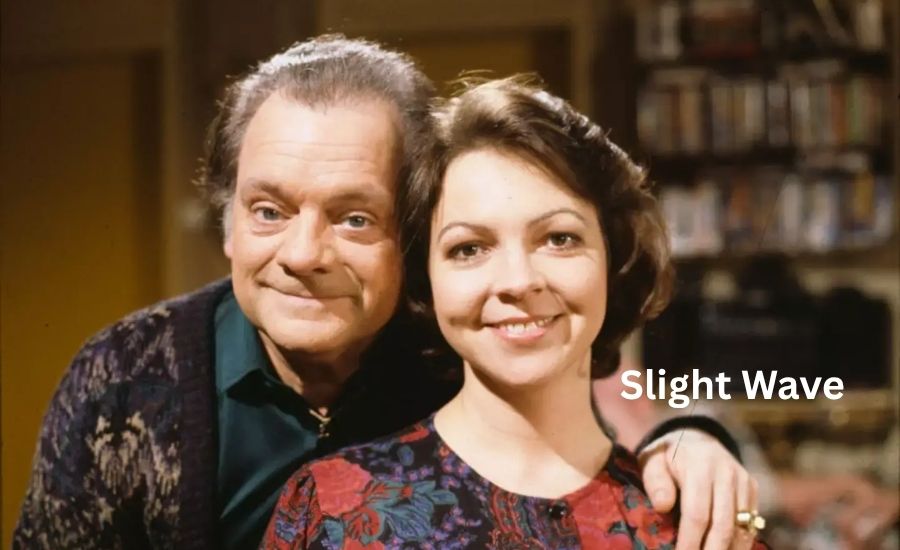
Mollie Rose Hodge grew up in a family steeped inside the arts. Her father, Douglas Hodge, is an acclaimed English actor, director, and musician, celebrated for his roles in productions like Les Misérables and The Jungle Book. Her mom, Tessa Peake-Jones, is a loved actress identified for playing Raquel within the iconic sitcom Only Fools and Horses.
Surrounded through creativity and the acting arts from a more youthful age, Mollie would probably have observed in her dad and mom’ footsteps. Instead, she selected a route centered on supporting others — psychotherapy. Her children’s tales, mixed with a deep experience of empathy, stimulated her to devote herself to assisting intellectual fitness and developing a great effect in people’s lives.
Growing up in this form of wealthy environment uncovered her to the electricity of storytelling and emotional expression, shaping her information of human connection. While her mother and father’ achievements frequently attracted public interest, Mollie has intentionally stored her very personal life more privately, specializing in carving out a course that aligns together with her passions and values.
Educational Journey of Mollie Rose Hodge
Mollie Rose Hodge’s education highlights her robust determination to know-how people and the structures that form human conduct. Reports from several UK guides word that she earned a Bachelor’s degree in Sociology, providing her with a basis in social structures, identification, and the dynamics of human interaction.
Building on this, she pursued a Master’s diploma in Forensic Mental Health, a specialized subject that connects psychology with the justice gadget. This program examines how mental insights can inform our information of criminal conduct, rehabilitation, and the help of people dealing with complex intellectual fitness demanding situations.
Today, Mollie is stated to project professional education on the Tavistock and Portman NHS Foundation Trust in London, a globally respected center for psychotherapy. Her education focuses on toddler and adolescent psychotherapy, mixing rigorous education with a look at with fingers-on scientific supervision to put together practitioners for the challenges of running with young human beings.
Her educational adventure—from sociology to forensic and clinical psychology—displays a considerate development closer to a deep know-how of human emotion, conduct, and trauma, underscoring her commitment to making a significant effect in intellectual health care.
A Career Centered on Vulnerable Youth
Although Mollie Rose Hodge is not a superstar inside the traditional Hollywood experience, she has frequently been featured in the UK way of life and nicely being guides, often defined as a “quiet pressure” within the region of youngsters’ intellectual fitness. While such phraseology may be polished for readers or search engines like google and yahoo like google and yahoo, the substance of these profiles is obvious: she has constructed a profession centered on supporting youngsters and younger human beings in some of the most difficult activities.
Her expert experience, as highlighted in those articles, includes:
Working with young humans who’ve experienced trauma
Supporting human beings in steady or forensic intellectual-fitness settings
Serving as a behavior coordinator or professional in academic and medical environments
Addressing attachment troubles, emotional regulation, and tension
Delivering trauma-informed recovery interventions
Advocating for early intellectual-health help to prevent crises from escalating
These roles illustrate a practitioner committed to a number of the maximum emotionally traumatic regions of care. Trauma-informed paintings call for staying energy, a long-term attitude on development, and the capability to keep place for younger people navigating deeply difficult research.
Many write-usaalso word that her technique attracts from pretty a few intellectual frameworks, such as:
Attachment idea
Psychodynamic and psychoanalytic views
Holistic, structures-primarily based absolutely strategies
Developmental psychology
Advocacy for early intervention
While media insurance sometimes frames her paintings in sparkling or romanticized phrases, the normal message is obvious: Mollie Rose Hodge is a devoted psychotherapist, centered on enhancing the highbrow-fitness outcomes of more younger humans who have confronted large demanding situations.
Growing Up Near the Spotlight
Children of actors often grow up with an upbringing no longer like maximum. Their each day lives can encompass movie units, theatre rehearsals, auditions, and press appearances, even as dinner-desk conversations could in all likelihood be conscious of scripts, administrators, or setting up-night time time jitters in location of administrative center responsibilities or commercial enterprise closing dates.
For Mollie Rose Hodge, being raised in these surroundings probably furnished a firsthand view of creativity, determination, and the demands of a performance-driven profession. Acting isn’t pretty glamour; it consists of long hours, frequent rejection, bodily strain, and emotional vulnerability. Some kids on this international route are inspired to follow in their dad and mom’ footsteps, while others find themselves interested in genuinely one-of-a-kind paths.
Opting now not to pursue a lifestyle in the highlight can be as deliberate and meaningful a preference as deciding to perform publicly. For Mollie, it seems this preference allowed her to carve out her very personal course, one focused on assisting and statistics others in desire to act for them.
Mollie Rose Hodge and the Tavistock Tradition
The Tavistock and Portman NHS Foundation Trust, where Mollie Rose Hodge is reportedly completing her training, is one of the UK’s most reputable establishments for psychotherapy. Renowned for its psychoanalytic and psychodynamic procedures, Tavistock has trained among the United States’s leading psychotherapists, toddler analysts, and mental fitness educators.
Training at Tavistock is in depth and immersive. It regularly consists of personal remedy, distinctive evaluation of scientific instances, and deep engagement with psychoanalytic concepts. Practitioners are encouraged to explore the unconscious thoughts, replicate on adolescence reports, and apprehend how relationships form mental health. Being a part of this application places Mollie inside a culture of excellence in intellectual health care, emphasizing empathy, moral exercise, and proof-informed information.
The Influence of Family and Creative Roots
Although Mollie Rose Hodge has observed a professional direction from her dad and mom’ performing paintings, her upbringing in an innovative, expressive surroundings likely informs her method as a therapist. Growing up around storytelling, emotional expression, and overall performance may additionally have given her a natural sensitivity to human emotion, communication, and empathy—key characteristics in powerful psychotherapy.
Her parents’ willingness to discover and percentage the emotional depth of the characters they portrayed can also have sparked her interest in the human mind. This combination of creativity and compassion reflects a developing fashion amongst cutting-edge therapists, who apprehend that emotional intelligence may be as essential as scientific know-how.
The Meaning Behind the Name
The Meaning Behind a Name
Names frequently convey the past simple identity. “Mollie” is traditionally related with warmth and approachability, a variant of Mary that has remained famous in English-speaking nations for generations. The middle call “Rose” inspires splendor, resilience, and understated electricity.
Whether with the aid of design or coincidence, the name “Mollie Rose Hodge” indicates characteristics of grace, composure, and quiet self assurance. While such interpretations are largely symbolic, they demonstrate how a name can have an effect on belief, even if the man or woman in the back of it remains rather private.
Public Curiosity inside the Digital Age
The internet has converted the way names are located and shared. A passing mention in an interview, a caption on an image, or a movie database entry can all at once ignite international interest. Overnight, a private man or woman might also come to be the problem of search queries, blog posts, and speculative articles.
The key-word “Mollie Rose Hodge” has surfaced on severa web sites, often repeating the identical restricted information. This highlights a common pattern in online tradition: minimal facts can quickly be amplified, giving the effect of good sized importance.
This increases essential questions about privateness and ethics within the virtual age:
Does public curiosity justify exposing a person’s personal existence?
Where do the roads be drawn in on-line reporting and publishing?
How can people hold manipulate over their very own identity in searchable systems?
In Mollie Rose Hodge’s case, her restricted online footprint shows that it is nevertheless viable to keep privateness, even amidst growing public interest.
Identity Beyond Famous Parents
Being identified in general as “the child of” a person famous can be each a present and a venture. It can also open doors, but it may additionally eclipse the man or woman’s personal accomplishments.
For Mollie Rose Hodge, her identification probably goes far beyond her own family call. Her instructional pursuits, expert goals, personal pastimes, and commitment to supporting others represent the middle of who she is—factors that regularly stay unseen by the general public eye.
This underscores an crucial truth: visibility doesn’t automatically have an identical effect. A character’s impact on pals, colleagues, and the groups they serve can be a long way greater than online attention or public recognition.
Why Her Story Resonates
Many humans can relate to memories like hers. Not anyone aspires to repute, and now not everyone wishes their existence scrutinized, analyzed, and publicly judged.
Mollie Rose Hodge embodies several important ideas:
The freedom to define success on her very own terms
The braveness to step faraway from external expectations
The electricity observed in quiet self belief
The importance of putting non-public obstacles
In a society that regularly celebrates visibility and interest-seeking, selecting a greater non-public, measured direction can be both deliberate and profoundly powerful.
Working with Vulnerable Populations
Mollie Rose Hodge’s profession displays a deep determination to support some of the most vulnerable participants of society. She has labored with a diverse range of customers, which include younger human beings involved within the crook justice machine, people on the autism spectrum, and people managing numerous intellectual fitness challenges. Her capacity to navigate these complex conditions has earned her a reputation as a compassionate and committed professional.
Her experience in collaboration with regulation enforcement and within steady mental fitness settings has given her a clean information of the specific wishes of vulnerable populations. She recognizes that effective guidance often calls for a mixture of healing steerage and realistic interventions. Her heritage in forensic intellectual health equips her to navigate the intersection of mental care and felony or crook concerns with ability and sensitivity.
Hodge’s work with youngsters and youth also emphasizes trauma-knowledgeable care. Many of her younger customers have faced abuse, overlook, or other deeply detrimental reports. By providing a safe, empathetic, and supportive surroundings, she enables them manner their trauma, build resilience, and start the journey toward healing. Her method underscores the lasting impact of early reviews and the importance of addressing emotional wounds with patience and know-how.
Cultural Reflection: Fame Versus Fulfillment
In today’s culture, success is often measured through visibility. Social media fans, media coverage, and public reputation are frequently handled as symptoms of achievement. Yet authentic success hardly ever comes from these outside markers.
Stories like Mollie Rose Hodge’s provide a quiet counterpoint. They display that a meaningful lifestyle doesn’t have to be public, trending, or searchable to count.
Genuine success often comes from:
Intellectual increase and interest
Emotional properly-being and stability
Work that feels useful and impactful
Deep, supportive private relationships
Freedom from steady assessment or external validation
These are the measures of an existence properly-lived—values that no headline or trending topic can absolutely capture.
The Future of Mollie Rose Hodge in Psychotherapy
As Mollie Rose Hodge progresses through her education, she is on a route closer to turning into a totally licensed Child and Adolescent Psychotherapist, whether or not or not within the NHS or in non-public exercise. Alongside scientific paintings, she may additionally pursue possibilities in studies, community applications, or highbrow health advocacy.
With her strong instructional basis and willpower to assist more youthful people, she has the functionality to play a significant characteristic in shaping how intellectual fitness offerings within the UK respond to the desires of youngsters and teens.
Her journey reflects her personal self-control and a broader cultural shift inside the course of valuing intellectual fitness. In today’s world, emotional intelligence and expert facts are more and more diagnosed as further crucial, and Hodge’s paintings embodies that balance.
Facts:
- Full Name: Mollie Rose Hodge
- Parents: Douglas Hodge (award-winning English actor, director, musician), Tessa Peake-Jones (actress known for Only Fools and Horses)
- Profession: Psychotherapist (specializing in child and adolescent mental health)
- Education:
- Bachelor’s degree in Sociology (UK)
- Master’s degree in Forensic Mental Health
- Currently in professional training at the Tavistock and Portman NHS Foundation Trust (London)
- Training Focus: Child and adolescent psychotherapy, trauma-informed therapy, attachment-based approaches
- Professional Experience:
- Working with young people affected by trauma
- Supporting individuals in secure/forensic mental health settings
- Behavior coordination in clinical and educational settings
- Trauma-informed therapeutic interventions
- Advocacy for early mental health support
- Psychological Approach: Attachment theory, psychodynamic and psychoanalytic frameworks, holistic systems-based methods, developmental psychology
- Public Profile: Not a mainstream celebrity; maintains a private life despite being the child of famous actors
- Core Values: Quiet confidence, emotional intelligence, empathy, independence, dedication to mental health
Summary:
Mollie Rose Hodge, daughter of actors Douglas Hodge and Tessa Peake-Jones, has deliberately pursued a career away from the public spotlight. Growing up in a creatively rich environment, she was inspired by human emotion and storytelling but chose psychotherapy over acting.
Her educational journey—from a Bachelor’s in Sociology to a Master’s in Forensic Mental Health, followed by professional training at the Tavistock and Portman NHS Foundation Trust—reflects her deep commitment to understanding and supporting children and adolescents facing complex challenges.
Professionally, Hodge works with vulnerable youth, including those involved in the criminal justice system or living with trauma and mental health difficulties. Her approach blends trauma-informed care, attachment theory, and psychodynamic frameworks to provide meaningful support and intervention.
Mollie Rose Hodge represents a quiet, thoughtful path to success. Unlike the celebrity-focused culture of visibility, she demonstrates that impact is measured not by public recognition but by the lives touched through empathy, guidance, and professional dedication. Her story is a modern example of choosing privacy, meaningful work, and emotional intelligence over fame.
FAQs:
1. Who are Mollie Rose Hodge’s parents?
- Her father is Douglas Hodge, a celebrated English actor, director, and musician. Her mother is Tessa Peake-Jones, best known for her role as Raquel in Only Fools and Horses.
2. What is Mollie Rose Hodge’s profession?
- She is a psychotherapist specializing in child and adolescent mental health, currently in professional training at the Tavistock and Portman NHS Foundation Trust in London.
3. What did she study?
- She earned a Bachelor’s degree in Sociology and a Master’s degree in Forensic Mental Health, preparing her to work with vulnerable populations and complex mental health cases.
4. What types of work does she do?
- Trauma-informed therapy for children and adolescents
- Supporting youth in secure or forensic mental health settings
- Behavior coordination and clinical interventions
- Early intervention advocacy and mental health education
5. Does she work with celebrity clients?
- There’s no public indication of her working with celebrities. Her work focuses on vulnerable children and young people.
6. Why is she in the news or online searches?
- Her name has appeared in online searches and blogs due to her family connections, educational background, and career in mental health. However, she maintains a private life and is not a public celebrity.
7. What is her professional approach?
- She incorporates attachment theory, psychodynamic and psychoanalytic frameworks, developmental psychology, holistic systems-based approaches, and trauma-informed care.
8. What is her outlook on fame and success?
- Mollie’s story emphasizes that impact and fulfillment are not defined by visibility. She values meaningful work, emotional intelligence, and personal boundaries over public recognition.