
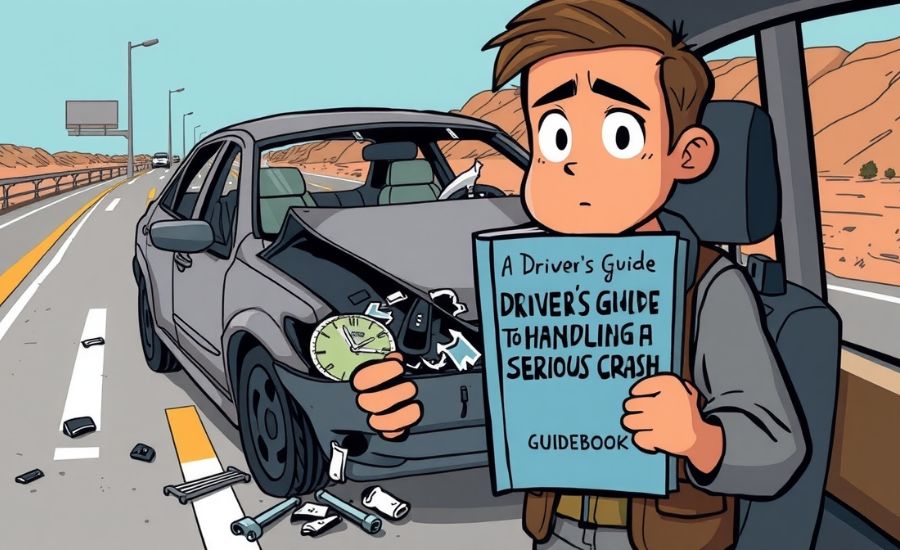
A serious crash can turn an ordinary drive into a moment of confusion and fear, and many people are unsure how to protect themselves legally and emotionally in the aftermath. Personal injury cases often begin in these first chaotic moments, which is why understanding your rights early matters.
Blue Ridge may feel peaceful on most days, but its winding roads and changing traffic patterns mean accidents can happen unexpectedly. Knowing how these situations unfold in this community helps drivers feel more prepared. Speaking with a car accident lawyer in Blue Ridge can help address questions about fault, insurance, or long-term recovery. With the right information, calm, steady steps can be taken after a crash to safeguard well-being.
Prioritize Your Safety
After a bad crash, get out of the way of the traffic, and then check yourself and others for injuries. If you can, move to a safe area, away from imminent danger. Put your headlights or hazard lights on to warn other motorists. If it’s dark, set out warning triangles. Do not attempt to move injured people unless there is an unavoidable situation such as a fire.
Call Emergency Services
Immediately contact the emergency services if someone is injured or the road is obstructed. Be specific about where you are and how many cars are involved. Remain on the line and listen for further instructions from the operator. Even in seemingly small incidents, calling the authorities creates an official documentation of the incident and helps ensure everyone receives the appropriate support quickly.
Stay Calm and Communicate Clearly
Take a moment to breathe and center yourself. Be polite with the other party and witnesses. Avoid arguments or assigning blame. Staying focused and objective helps combat heightened emotions. You should exchange necessary information with other drivers, including names, contact information, and insurance information. If witnesses are present, ask for their contact details, too.
Document the Scene Carefully
Take pictures of the damage to all vehicles and the surrounding area. Photograph from multiple angles and different distances to create a comprehensive record. Take notes on things such as the time, location, and circumstances surrounding the event. Gathering this evidence can assist with your insurance claim and any legal issues that may follow.
Assist Law Enforcement
Be accurate and disclose any relevant documents you have to the police when they arrive. Be as objective as possible, stating what happened with no speculation and no opinions. Cooperate fully with the officers’ requests. If you are asked to provide a statement, do not engage in speculation about causes or possible consequences. Factual answers are most helpful to the investigation.
Contact Insurance Providers Promptly
Contact your insurer as soon as possible after the incident. Clearly describe the sequence of events and share the evidence you collected. Be sure to respond promptly to any follow-up questions or requests for further information. Timely action facilitates quicker resolution and the fair processing of claims. It is advisable to maintain copies of all communications.
Look After Your Emotional Well-Being
In addition to the physical harm, a serious collision carries a significant emotional toll. If you have anxiety or are upset, contact friends, family, or support professionals. Those feelings are there to process the experience, and talking is part of recovery. Having support groups and counselors available can put your mind at ease during this challenging period.
Get Legal Guidance
After a big crash, sometimes you need legal advice. Meeting with a legal professional provides answers and helps clarify one’s rights and responsibilities. For any legal appointment, carry every document, photograph, and medical record. Effective communication between the parties will provide adequate assistance. By responding quickly, you help avoid any misunderstandings or missed deadlines.
Treat the Situation as a Learning Experience
Once the emergency is over, reflect on what happened. Take a look at how you drive and consider any changes to your driving habit going forward. Talk to family or friends about what happened; this could help everyone travel more safely. Awareness and reflection make us more resilient to similar occurrences.
Conclusion
When faced with a serious accident, stay calm, focus, and act carefully. Doing so ensures the safety and wellness of all involved. Being organized by asking others for help is an important step in your recovery, both physically and mentally. Drivers who prepare for emergency scenarios can behave more confidently and responsibly in the event of an incident because they will know exactly what to do.


