
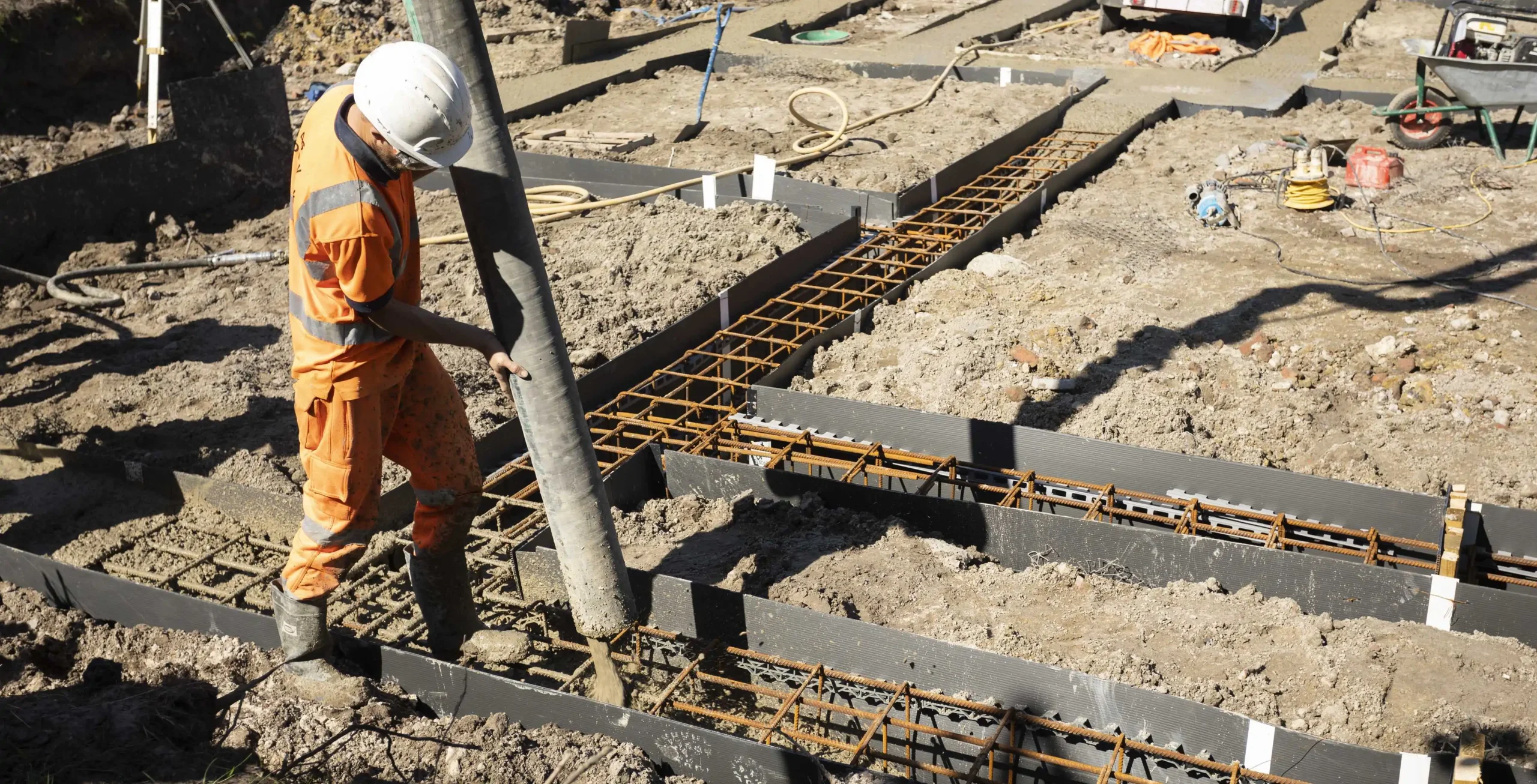
Understanding Concrete Foundations
Concrete foundations are fundamental to every construction project, serving as the crucial support structure that transfers building loads to the ground and ensures safety and durability. Making the right choice of foundation is essential to the stability and lifespan of any building, whether you’re planning a residential or commercial development. If you’re searching for a trusted partner to handle your foundation needs, Koehn Construction specializes in high-quality concrete foundation solutions tailored to your site specifications.
Selecting the most suitable foundation goes beyond just pouring concrete. It requires careful consideration of many factors, from soil conditions and climate to structural requirements and long-term maintenance. With expert guidance and diligent site assessment, you can ensure your project’s foundation is built to last—and that it complies with all relevant local building codes and industry standards.
Common Types of Concrete Foundations
The choice of a concrete foundation depends greatly on environmental conditions, site constraints, and the function of the building. Below are the most prevalent foundation types used in modern construction:
- Slab-on-Grade Foundations: This foundation type involves pouring a single, continuous layer of concrete directly on the ground. It is often used in temperate to warm climates where the risk of ground freezing is minimal, yielding a cost-effective and straightforward solution for many homes and businesses.
- Basement Foundations: A basement foundation requires excavation below grade level to form extra living or storage space. These are well suited for colder climates, offering protection against frost heave and adding usable square footage to a property.
- Crawl Space Foundations: This foundation elevates the home slightly and allows for a low, accessible space between the ground and the main floor. It’s instrumental in areas prone to dampness and flooding or for buildings that need easy access to plumbing and wiring.
- Pier and Beam Foundations: This system utilizes vertical piers set deep into the ground, which support horizontal beams that, in turn, carry the structure’s load. It is ideal in regions with unstable soils or frequent flooding and can be used in residential and light commercial construction.
- Insulated Concrete Forms (ICF): Known for their energy efficiency, ICFs use interlocking blocks or insulation panels filled with concrete. They offer superior insulation and a robust, durable envelope for the finished building.
Factors to Consider When Choosing a Foundation
- Soil Type: The geology beneath your building plays a significant role in your foundation’s performance. A professional soil test will reveal characteristics such as load-bearing capacity, drainage properties, and the potential risk of settlement or movement. Identifying your site’s soil conditions ensures you choose a foundation that will remain stable over time.
- Climate: The regional climate influences the depth and construction of your foundation. In areas with freezing temperatures, deeper foundations like basements or frost-protected slabs are preferable to guard against frost heave. In warm, dry settings, shallow foundations such as slabs are often sufficient.
- Budget: Financial considerations often influence the final decision, as slab-on-grade foundations are typically the most affordable. At the same time, full basements or ICF systems incur higher initial costs but provide added value in space or efficiency.
- Building Design: Your structure’s specific architecture and intended use play vital roles in foundation planning. Multi-story or heavier buildings may require more robust, deeper systems for sufficient support and safety.
Determine the Right Foundation.
- Conduct a Soil Analysis: Hire a geotechnical engineer to analyze your site’s soil. Understanding bearing capacity and moisture characteristics is critical to selection.
- Evaluate Climate Factors: Assess local weather, including freeze-thaw cycles and water table levels, to minimize foundation-related problems.
- Assess Building Requirements: Determine the load, size, and usage of your building. Larger, heavier buildings may need deeper or more reinforced foundations.
- Budget Planning: Balance initial construction costs with factors such as future repair and maintenance expenses.
- Consult Professionals: Work closely with experienced architects, engineers, and contractors to ensure each step is executed properly.
Conclusion
Selecting the proper concrete foundation isn’t merely a technical decision—it’s the starting point for ensuring building success. Considering crucial factors such as soil, regional climate, budgeting constraints, and structural demands will help you determine the optimum foundation type for long-term durability. Partnering with experienced professionals and leveraging expertise brings peace of mind that your project’s foundation will stand the test of time.


