
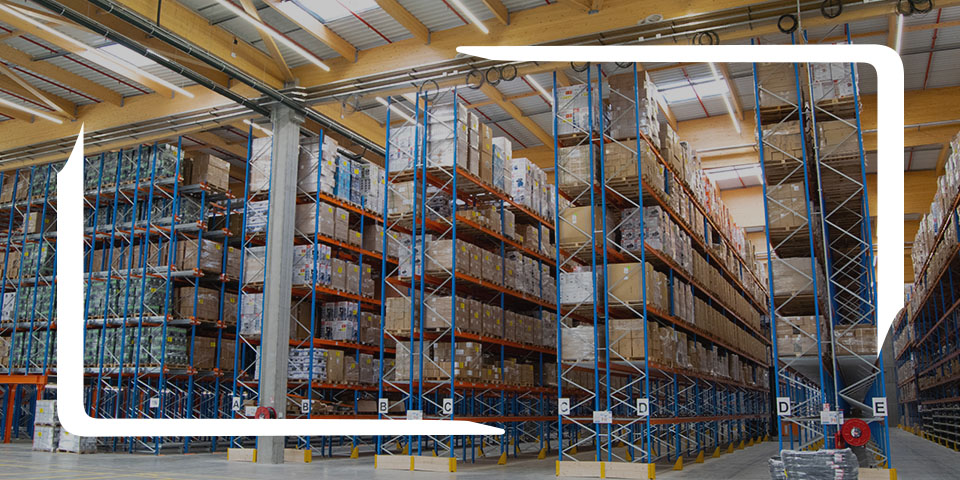
Warehouses are the backbone of supply chains, serving as hubs for storing, organising, and distributing goods. Efficient storage solutions are essential to optimise space, improve workflow, and ensure the safety of both staff and inventory. Among the most effective methods for warehouse storage, pallet racking systems have become indispensable.
Understanding Pallet Racking Systems
Pallet racking refers to the storage framework designed to hold materials on pallets, allowing for easy access with forklifts or pallet jacks. These systems are versatile, suitable for a wide range of industries including retail, manufacturing, and logistics. The primary benefit of pallet racking is that it maximises vertical space, freeing up valuable floor area and reducing clutter.
There are various types of pallet racking systems, each tailored to different operational needs. Selective racking is the most common, providing direct access to every pallet and enabling flexible storage. Drive-in and drive-through racking are ideal for high-density storage, particularly for items that do not require frequent rotation. Push-back racking allows pallets to be stored on inclined rails, optimising both space and accessibility.
Benefits of Implementing Pallet Racking
One of the key advantages of pallet racking for warehouses is the improvement in organisation and workflow. Staff can locate and retrieve items quickly, which reduces downtime and increases overall productivity. Properly installed racking systems also contribute to safety by preventing heavy pallets from being stored haphazardly, reducing the risk of accidents.
Additionally, pallet racking enhances inventory management. With clearly defined storage locations, warehouse operators can implement systematic tracking, reducing stock misplacement and overstocking. In fast-paced environments where timely order fulfilment is crucial, this organisational clarity is invaluable.
Design Considerations for Effective Storage
When planning a pallet racking system, several factors must be considered. The weight and size of pallets, aisle widths, ceiling height, and the type of forklift used all influence the choice of system. It is important to balance storage density with accessibility to maintain operational efficiency. Consulting with specialists can ensure that the racking system meets both current needs and future growth requirements.
Maintenance is another important consideration. Regular inspections of beams, uprights, and connectors prevent structural failure and extend the lifespan of the system. Clear guidelines for load limits and proper stacking practices further contribute to warehouse safety.
Optimising Space with Advanced Solutions
In addition to traditional racking, many warehouses are now exploring automated solutions. Automated storage and retrieval systems (AS/RS) integrate with pallet racking to allow rapid, computer-controlled movement of goods. This technology can significantly increase storage density and reduce labour costs, making it particularly appealing for high-volume operations.
Warehouses looking to modernise often combine selective and high-density racking with automation to achieve a hybrid system. This approach maximises efficiency while retaining the flexibility to adapt to changing inventory needs.
Sourcing Quality Pallet Racking for Warehouses
Selecting the right supplier is crucial for long-term success. Quality pallet racking for warehouses should meet industry standards, support expected loads, and be backed by reliable aftercare services. Choosing a supplier with experience in warehouse design ensures the system is both durable and customised to operational requirements.
Investing in pallet racking for warehouses not only optimises space but also improves workflow and safety. A well-designed system allows for clear categorisation of inventory, faster order picking, and smoother logistics operations overall.
Conclusion
Pallet racking has become a fundamental component of modern warehouse management. By maximising storage capacity, improving accessibility, and supporting safe operations, these systems help warehouses operate efficiently and adapt to growing business demands. With careful planning, regular maintenance, and the right supplier, pallet racking for warehouses offers a long-term solution that enhances productivity and ensures operational resilience.


