
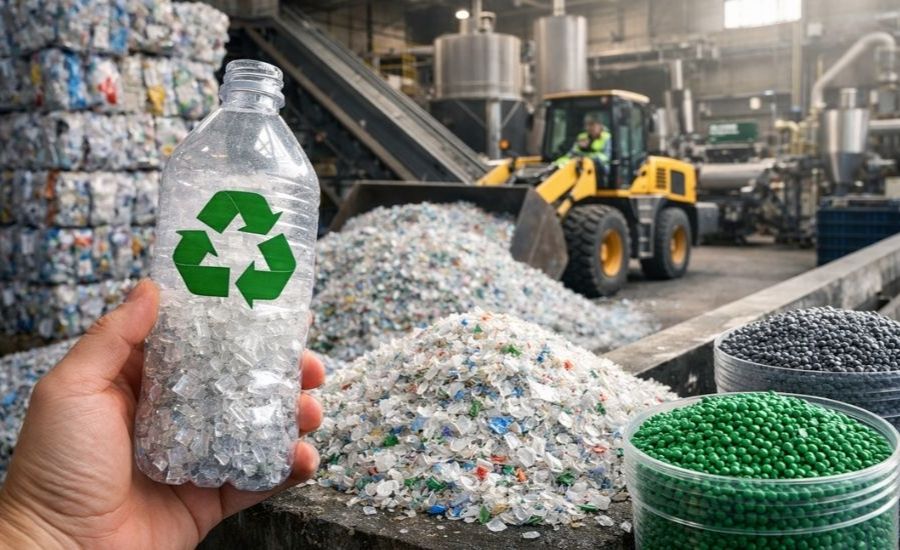
In today’s global environment, where environmental worries are becoming more pressing, the way we reuse and recycle materials performs a main role in building an extra sustainable future. One crucial idea that facilitates measuring this effort is recyclatanteil. While the term can also sound technical, its meaning is quite simple—it refers to the share of recycled material used in a product or manufacturing manner.
At its center, recyclatanteil offers us a clearer photograph of the way we rely on reused sources rather than uncooked materials. This makes it a precious tool for knowledge of how correctly we’re moving towards a circular economic system, where waste is minimized and substances are constantly reused as opposed to discarded.
But its importance is going past numbers and reviews. Recyclatanteil impacts how groups layout their products, encouraging them to think about sustainability from the very beginning. It also affects how groups gift themselves to consumers, as many human beings nowadays decide on brands that show real environmental obligation. At the same time, governments and policymakers use this idea to set standards and create policies that sell recycling and decrease waste.
In simple terms, recyclatanteil is extra than only a size—it displays a broader shift in how industries, governments, and individuals consider sources. Understanding it helps us see how recycling fits into everyday products and highlights the stairs needed to build a extra sustainable and accountable future.
What Is recyclatanteil
The word recyclatanteil comes from German and certainly means “the proportion of recycled content.” In normal phrases, it describes how a great deal of a product is crafted from substances that have already been used, processed, and taken back into manufacturing rather than counting on new, uncooked resources.
At its coronary heart, recyclatanteil is a sensible way to measure how sustainable a product in reality is. When this percentage is higher, it normally means fewer natural resources have been taken from the environment, much less electricity was used to create new materials, and much less waste ended up in landfills. Because of this, it has become an important benchmark in industries like plastics, paper, metals, and construction.
What makes the idea mainly beneficial is the way it turns massive environmental thoughts into something clean and measurable. Instead of simply talking about sustainability in popular terms, recyclatanteil offers groups and clients a concrete wide variety to understand and examine. It helps businesses make better manufacturing alternatives and allows human beings to peer how environmentally accountable a product clearly is.
Understanding the Concept of Recyclatanteil
Recyclatanteil is truly a way of measuring how a good deal of a product is made from recycled materials as opposed to newly extracted assets. It shows the proportion of a product’s general composition that comes from materials that have already been used, processed, and brought lower back into the manufacturing cycle.
This concept is vital because it is going past just gathering waste. Recycling on its own isn’t enough—what simply subjects is whether or not those recycled substances are genuinely reused to create new merchandise. Recyclatanteil shifts the focus closer to making recycling a part of a continuous loop, where substances are kept in use for so long as viable.
The recycled content covered in this dimension can come from fundamental assets. One is post-customer waste, which refers to gadgets humans have used and thrown away, like plastic bottles or aluminum cans. The difference is submit-commercial waste, which includes leftover materials from production that may be reused as opposed to discarded.
By growing the percentage of these recycled inputs, businesses can rely much less on uncooked substances and move closer to extra responsible and efficient use of resources.
The Role of recyclatanteil in Circular Economy Systems
The concept of a round economy is focused on lowering waste and making the maximum of resources. Within this framework, recyclatanteil performs a vital function as it indicates how nicely substances are being reused instead of discarded.
When organizations boom their recyclatanteil, they rely much less on restrained herbal resources. This trade has a ripple effect—it enables lessen environmental damage due to extraction, lowers emissions connected to producing new materials, and encourages stronger recycling systems.
But recyclatanteil isn’t only approximately the use of recycled materials. It also reflects how powerful those recycling structures simply are. A higher percentage often suggests that materials are being recovered and reused in a manner that keeps their fine intact, rather than being decreased-grade products.
This distinction matters. True sustainability isn’t just about recycling—it’s about maintaining the fee and usability of materials through the years. In that experience, recyclatanteil gives insight into how near we’re to achieving a completely round system in which assets are constantly reused without losing their fine.
Environmental Benefits of Increasing Recyclatanteil1. Conservation of Natural Resources
One of the most vital blessings of growing recyclatanteil is the protection of herbal sources. Producing new materials regularly involves extracting raw assets like oil, metals, and wood, that would result in deforestation, habitat loss, and the depletion of restrained reserves. By using recycled substances as an alternative, groups can reduce the need for this extraction and assist maintain the surroundings for destiny generations. For example, recycled metals and plastics can take the region of newly produced ones, easing the stress on herbal ecosystems.
Another number one gain is the reduction of carbon emissions. Manufacturing with recycled materials usually requires a long way much less energy than beginning from raw resources. When much less energy is used, fewer greenhouse gases are released into the surroundings. In some cases, the distinction is massive—recycling aluminum, for instance, can hold as much as ninety five% of the energy needed to produce it from scratch. Similarly, recycled plastics reduce the call for petroleum and reduce ordinary power intake. Increasing recyclatanteil, consequently, plays a right away position in helping industries decrease their carbon footprint and support worldwide climate efforts.
Recyclatanteil also contributes to lowering waste. Many materials, in particular plastics and digital waste, can continue to be within the surroundings for masses of years if no longer properly managed. By reusing these substances in new products, waste is converted into an aid in place of becoming pollution. This no longer handiest helps better waste management however additionally facilitates hold landfills and oceans from being crushed.
Finally, a better recyclatanteil helps make stronger recycling structures ordinary. When industries actively use recycled materials, it creates a call for them. This call encourages funding in recycling facilities, improves generation, and ensures that accrued materials are clearly reused in preference to discarded. In this way, recyclatanteil doesn’t just gain individual merchandise—it supports the boom of an extra efficient and sustainable recycling environment.
How recyclatanteil Is Measured and Verified
Measuring recyclatanteil isn’t always as simple as estimating how a lot recycled material goes into a product. It includes cautious tracking, clean documentation, and using standardized strategies to make certain accuracy.
In maximum cases, producers calculate recyclatanteil as a percentage primarily based on weight. They compare the quantity of recycled fabric used with the full weight of all materials within the product. To do that properly, businesses want transparency in the course of their delivery chain, which means providers must offer reliable proof of the recycled content they supply.
Verification is a key part of the system. Independent certification bodies and environmental standards help affirm that the pronounced figures are correct and honest. Without this sort of oversight, recyclatanteil may want to without problems be misused as an advertising and marketing claim instead of a significant sustainability measure.
In current years, new technologies and higher reporting systems have made it simpler to tune recycled materials across complex supply chains. These upgrades are supporting create greater consistency and self belief in how recyclatanteil is measured and applied around the arena.
Industries Driving Recyclatanteil Growth
Today, many industries are actively locating processes to embody extra recycled substances of their merchandise, making recyclatanteil an crucial part of present day production.
Packaging Industry
The packaging location is one in every of the biggest clients of recycled substances. Companies are increasingly more producing gadgets like bottles, bins, and wrapping using recycled plastics, paper, and cardboard. For instance, plastic bottles made from recycled PET, paper packaging made out of reused fibers, and cardboard containers made of recycled content material cloth are actually not unusual. By developing recyclatanteil in packaging, businesses can reduce waste and make everyday merchandise greater environmentally pleasant.
Electronics and Technology
The tech enterprise produces a huge amount of virtual waste, which has pushed producers to reconsider how gadgets are made. Many agencies now use recycled metals, plastics, and glass of their merchandise. Recycled aluminum, as an example, is often used inside the bodies of laptops and smartphones. This approach reduces the need for mining and lowers the general environmental effect of producing new devices.
Construction and Infrastructure
Recycled substances are also playing a developing role in construction. Builders use substances like recycled concrete, metallic, and glass in tasks starting from houses to huge infrastructure trends. This no longer handiest reduces environmental harm but also can lower prices and assist greater sustainable urban boom.
Fashion and Textiles
The fashion enterprise is exploring creative approaches to boom recyclatanteil with the aid of the use of recycled fabrics and fibers. Materials like recycled polyester—frequently made from plastic bottles—and recycled cotton are getting famous alternatives to conventional textiles. These improvements assist lessen waste whilst supplying extra sustainable choices in apparel and design.
Industrial Applications of recyclatanteil
The impact of recyclatanteil is specifically clear in industries that use massive quantities of materials and face strict guidelines. Take the packaging zone, as an instance—agencies are now below developing pressure to boom the share of recycled content in plastics and paper products. This push comes from both environmental issues and government regulations geared toward decreasing waste.
In production, recyclatanteil is becoming an essential part of sustainable building practices. Materials like recycled concrete, metal, and insulation are now normally used to lower the environmental effect of homes and infrastructure initiatives. The car enterprise is likewise shifting on this course, with manufacturers the use of recycled metals and plastics to meet sustainability dreams at the same time as nonetheless maintaining satisfactory and overall performance.
All of this points to a larger shift. Recyclatanteil is no longer just an non-obligatory or area of interest idea—it has become a middle part of how products are designed and how industries function. From the very start of the manufacturing technique, agencies are questioning extra cautiously about the substances they select and the way the ones materials may be reused effectively.
Challenges in Increasing Recyclatanteil
While growing recyclatanteil offers smooth environmental benefits, it additionally comes with some of the realistic challenges that industries want to deal with.
1. Quality of Recycled Materials
One of the primary concerns is that recycled materials don’t constantly heal the wonders of recent, uncooked substances. They can occasionally have inconsistent residences, which makes them tougher to apply in positive merchandise. To conquer this, better recycling technology is needed to improve the excellent reliability of recycled inputs.
2. Economic Barriers
Cost is every different major trouble. In many instances, virgin substances are still inexpensive than recycled ones, making them greater appealing for producers. Without economic incentives or strict rules, companies may be reluctant to replace recycled materials, although it’s higher for the surroundings.
3. Limited Recycling Infrastructure
In some areas, recycling systems aren’t nicely advanced. There may be gaps in how waste is amassed, sorted, and processed, which limits the availability of usable recycled materials. Strengthening this infrastructure is essential to useful resource better recyclatanteil at some point in industries.
Four. Consumer Awareness
Consumers additionally play an essential characteristic inside the approach. Proper waste sorting and responsible recycling behavior make it less difficult to recover substances and reuse them correctly. Without public focus and participation, even the quality recycling systems can not attain their complete capacity.
Future Trends Shaping recyclatanteil
The future of recyclatanteil is strongly related to ongoing innovation and converting regulations. As recycling generation improves, materials that were as quickly as difficult—or even impossible—to recycle in the interim are being recovered and reused. This opens the door for better recycled content fabric in a much wider range of merchandise than ever earlier than.
At the same time, governments are introducing stricter pointers. In many industries, specifically packaging and production, organizations are sincerely required to fulfill minimum degrees of recycled content material material. These rules are encouraging agencies to rethink how they format merchandise and in which they deliver their materials, pushing them towards extra sustainable practices.
Another crucial development is the use of statistics-pushed structures to song materials at some stage in the delivery chain. These tools make it less complicated to screen in which materials come from, how they are used, and what sort of is recycled. As a cease result, businesses can beautify transparency, build trust, and make extra informed choices about developing recyclatanteil.
Looking beforehand, recyclatanteil is about to emerge as even more vital. It definitely has a degree of environmental obligation—it’s going to additionally have an effect on business strategies, guidelines, or even customer options, shaping a more sustainable and useful resource-efficient destiny.
Facts:
- Definition: Recyclatanteil is a German term that translates to “recycled content share.” It measures the proportion of recycled material used in a product or production process.
- Purpose: It indicates how much a product relies on reused resources instead of virgin raw materials, helping track sustainability efforts.
- Sources of Recycled Material:
- Post-consumer waste: Materials discarded by consumers, like plastic bottles or aluminum cans.
- Post-industrial waste: Manufacturing leftovers reused in production.
- Industries Using Recyclatanteil:
- Packaging: recycled plastics, paper, and cardboard.
- Electronics: recycled metals, plastics, and glass in devices.
- Construction: recycled concrete, steel, and insulation materials.
- Fashion/Textiles: recycled polyester and cotton fibers.
- Environmental Benefits:
- Conserves natural resources (reduces mining, logging, and raw material extraction).
- Cuts carbon emissions (e.g., recycling aluminum saves up to 95% of energy).
- Reduces waste in landfills and oceans.
- Strengthens recycling infrastructure by creating demand for recyclates.
- Challenges in Increasing Recyclatanteil:
- Quality and consistency of recycled materials.
- Economic barriers—virgin materials may be cheaper.
- Limited recycling infrastructure in some regions.
- Consumer awareness and proper recycling habits.
- Future Trends:
- Advances in recycling technology enabling recovery of previously non-recyclable materials.
- Government regulations setting minimum recycled content standards.
- Data-driven tracking systems improving transparency and material management.
Summary:
Recyclatanteil measures how much of a product is made from recycled materials, providing a tangible way to assess sustainability. It goes beyond just recycling waste—it ensures materials are actively reused in manufacturing. Industries from packaging to electronics, construction, and fashion are increasingly incorporating recycled materials to reduce environmental impact.
A higher recyclatanteil conserves natural resources, lowers carbon emissions, decreases waste, and encourages stronger recycling systems. However, challenges like inconsistent material quality, costs, infrastructure gaps, and consumer behavior can limit its adoption.
Looking ahead, technology, regulations, and supply-chain tracking will drive higher recyclatanteil, making it a key metric for sustainable production, business strategy, and environmental responsibility.
FAQs:;
Q1: What exactly does recyclatanteil mean?
A1: Recyclatanteil measures the share of recycled material in a product or production process, showing how much of it comes from reused resources instead of new raw materials.
Q2: Why is recyclatanteil important?
A2: It helps track sustainability efforts, reduces reliance on natural resources, cuts carbon emissions, lowers waste, and supports recycling systems.
Q3: What types of recycled materials are used?
A3: Two main types: post-consumer waste (used by consumers) and post-industrial waste (leftovers from manufacturing).
Q4: Which industries benefit from recyclatanteil?
A4: Key industries include packaging, electronics, construction, and fashion/textiles.
Q5: What challenges affect increasing recyclatanteil?
A5: Issues include inconsistent material quality, cost differences between recycled and virgin materials, insufficient recycling infrastructure, and consumer awareness.
Q6: How is recyclatanteil measured?
A6: Usually by weight, comparing the recycled material to the total material in a product. Verification is done through certified processes and supply chain documentation.
Q7: What does the future hold for recyclatanteil?
A7: Advances in recycling technology, stricter regulations, and data-driven tracking systems are expected to increase the use and reliability of recyclatanteil, making it a central sustainability metric.