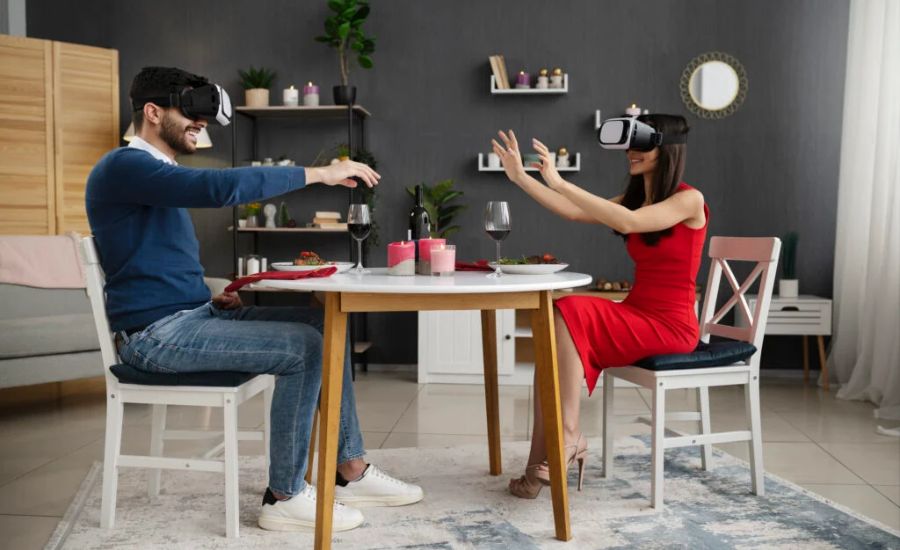
In today’s rapidly changing digital international game, the way homes are managed has evolved significantly. Homes of 2026 do not most effectively rely on traditional exercises or manual planning structures. Instead, they adopt organized, technologically supported technology as well as stability work, private welfare and public domestic responsibility.
An emerging concept in this space is known as Wifekiver’s. It is commonly used to explain the contemporary, machine-oriented approach to handling the tribal life cycle, where command, verbal exchange, and shared responsibility are blended into a more streamlined lifestyle version.
Unlike older domestic leadership models that were usually based on completely conventional roles or hands-on control, this approach shows an additional bent and collaborative mindset, it emphasizes joint participation among a group of tribal members, supported through virtual tools, reminders and based planning systems. The goal is to reduce the mental effort that regularly comes with handling a couple of tasks by yourself.
In between, the idea of Wifekiver’spromotes readability in the conversation and greater sharing of agreements within the family. By encouraging joint participation and dependent planning, it allows families to maintain stability while maintaining emotional connection and private time.
While modern lifestyles are retained to come across as extra complex, such frameworks highlight a sweeping shift toward ordered, period-supported dwellings where efficiency and dating coordination work together instead of competing with each different.
What Is Wifekiver’s?
In today’s internet-driven conversation, new slang phrases are constantly emerging that more expressively explain emotions, behavior and marital dynamics One such modern expression is Wifekiver’s.
Wifekiver’s is an informal internet slang term used to describe a person who exhibits strong qualities including sincere familiar care, loyalty, emotional support, and long-term marital compatibility It is not usually a formal dictionary phrase, but has gained popularity on social media platforms.
The word itself is created in an innovative meme way that combines the concept of a dedicated partner with a modern, stylized finish that makes it appealing, smooth to keep in mind, and suitable for captions, feedback, and line discussions.
Where Did Wifekiver’s Come From?
The period Wifekiver’s does not derive from formal language structure, academic literature, or any established dictionary supply. Instead, it is seen as part of the modern web hose way of life, where new expressions are regularly created and shared across digital systems.
In today’s on-line environment, many phrases and terms emerge organically rather than being officially delivered. Platforms along with TikTok, Instagram, Reddit, X (Twitter) and meme communities often play a key role in this process. Users caption, reply and post create engaging, expressive sentences, and if the word resonates with others, it begins to offevolved to be understood quickly Over years of repeated use allows a sentence to gain meaning within the online network.
Wifekiver’s seem to be observing a real specimen. It’s garnered attention because it’s far from unusual but emotionally recognizable, and it’s kept it talking on social media. Internet users are generally curious about expressions that can be accessible, flexible, and relatable – primarily to creatively describe relationships, personality traits, or emotions.
Another purpose of that expansion is the state of line content content creators and niche blogs that interpret or repurpose trendy slang. When those platforms refer to periods in a kind of contexts, it turns into additional images and develops shared knowledge among users step by step .
Simply put, Wifekiver’s continues to evolve the meaning of high-quality, which is perceived as a slang expression pushed by society in favor of a formally defined word with a single root, and individual online companies may interpret or use something else depending on voice, platform, and cultural context .
The Philosophical Foundation of Wifekiver’s
The growing appeal of Wifekiver’s can be better understood when viewed through the lens of today’s social life patterns. Decades later, kinship systems and routines have become increasingly complex, especially in dual-income households, and with the upward projection of rapid urbanization, the easing of daily responsibilities, where budgeting, meal planning, scheduling, and home improvement are becoming increasingly common activities.
In this context, the concept associated with wife and wife indicates a broad shift towards more tailored and system-oriented approaches to domestic style. Drinks suggestions from contemporary productivity theories, using scale, planning tools, and digital coordination to better manipulate responsibilities while maintaining a focus on emotional stability, partnerships, and family connections instead of treating home life as a mere mechanical tool .
One of the key concepts behind this concept is effort visibility.In many households, a large portion of household responsibilities are ignored or unstated, which can lead to imbalance or burnout on one side. Acknowledging the wives’ attitudes as well as making their commitments visible and shared – including by creating plans, dialogue structures or collaborative practices. When responsibility is truly accepted and allocated, it is much less difficult for the people of the tribe to contribute nicely and always.
This approach can also encourage healthy relationships by reducing misunderstandings and improving appreciation for joint efforts. When assumed preferential obligations are mentioned, households often have high levels of coordination and reduced emotional stress.
Why Wifekiver’s Is Getting Popular Today
The term Wifekiver’s has recently begun to work out through various social media structures, including shortened video apps, comment sections, and online discussions Although able to sound playful or casual at first, it is much more often used to understand deeper emotional considerations related to relationship dating expectations and dating expectations
Within today’s virtual era, many humans feel locked out by using inconsistent conversations and short dating patterns. Uncertain intentions, emotional dissonance, and lack of effort have not emerged as uncommon concerns in online access websites . As a result, the choice of relationships that feel extra strong, honest, and emotionally supportive is growing.
In this context, Wifekiver’s is used as a way to explain the kind of partner behavior people are increasingly seeking – a person who represents the concept of trustworthiness and emotional comfort instead of confusion or uncertainty, showing consistent care, emotional availability, and genuine effort in dating.
Social media plays an important role in spreading such a post. Short films and relatable content often highlight accessible acts of kindness or emotional mentorship that resonates strongly with visitors. When people see those moments online, they tend to set and analyze them with their expectations, which allows for rapid popularity of length.
Essentially, the upward trend for girls reflects a broader cultural shift, with humans valuing emotional balance, open communication, and meaningful effort in relationships more than ever .
What Does Wifekiver’s Really Mean in Modern Relationships?
In relationship conversations today, Wifekiver’s is used to convey more than just kindness or bottom-level love. It refers to a deeper emotional beat that reflects stability, loyalty, growth, and a steady guidance in the relationship. When someone is defined in this way, their gestures usually go beyond words – they show care through tangibility and emotional closeness.
It shows how a person behaves in real situations from time to time without paying attention to temptations or romantic gestures at all. This may include:
From a marriage perspective, it represents qualities that many humans overlook that are critical in long-term partners, such as trustworthiness, consideration, and calm emotional behavior, and culturally it also reflects the way modern online language is used to easily and coherently express complex emotional needs.
In the dating context, Wifekiver’s is regularly associated with long-term partnership opportunities. She portrays a person who is afraid of being out, is affectionate is exhibitionist about being out, and is dedicated out to create unnecessary emotional drama. This consistency has become especially relevant in today’s virtual marriage environment, where many humans enjoy inconsistent or mixed signals.
Overall, the period is recognizable because it presents an easy way to say something meaningful: a choice of relationships built to accept truth, emotional growth, and a steady guidance with instead of a temporary or questionable relationship.
How People Use Wifekiver’s on Social Media
In social media structures, Wifekiver’s is usually used in a short, expressive, and casual way. It’s often seen in TikTok captions, Instagram comments, meme content, and short relationship snippets to explain something that involves routine care, emotional guidance, and trusted partner behavior Timing works well in virtual domains because it conveys emotions in an easy and relatable way without sounding too formal or relatable technical.
Content creators typically use it when showing regular moments of kindness or affection. For example, a quick video will most likely show a person preparing a meal, providing emotional support, remembering small bits of information, or making a thoughtful gesture. In such cases, viewers may label the moment as Wifekiver’s to highlight the feeling of warmth and attention on display.
Periods are also often used by the meme lifestyle, with clients often exaggerating or humorously revealing small movements in relationships “it’s pure Wifekiver’s flow” or “she gives off drunk Wifekiver’s vibes.” Comments like “it’s pure female flow” or “she gives off full female vibes” are simple moves.
One motivation for speech being so easily communicated is because of its flexibility. Depending on the context, it is capable of sounding loving, funny, sarcastic, or sincerely complimentary. This adaptability allows customers to use it in many unusual situations without changing the focal point.
Overall, Wifekiver’s clearly suits current dayline communications because it is much more engaging, emotionally expressive, and clean to use in certain types of content. This combination helps to constantly circulate through relatable and shareable moments across social structures.
Why Small Actions Matter in Love
In many relationships, humans typically accompany essential gestures with valuables, holidays, or special celebrations. While those moments can be important, a real emotional connection is often built through steady, regular motions as opposed to occasional huge goals.
Simple behaviors often have a greater emotional impact. For example, when a partner offers all help through an exhausting day, remembers a favorite meal, or appreciates demanding moments in turn, these gestures create a sense of care and attention that feels personal and genuine, even if those gestures seem small and often go far beyond lasting feelings.
The concept associated with wife and children characterizes such everyday expressions of care. It highlights how kindness, emotional support, and thoughtful behavior contribute to a stronger bond under normal circumstances. Instead of the occasional big gesture, a small interaction, a message of support, or a small act of help can carry more emotional weight.
Over time, those friends negotiate at a steady pace and with emotional defense. They create a dating environment that feels sturdy, comfortable, and emotionally safe. In this way, the idea of other halves and better halves reflects how love is gradually strengthened through shared care rather than moments of intensity and isolation .
Real Life Examples of Wifekiver’s
The concept of wives and children is no less recognizable when we observe ordinary situations where care and emotional support are performed through appropriate actions instead of grand gestures .
For example, trust a co-worker who returns home after a long and difficult day.It helps you eat or relax without having to do all the work yourself. This kind of help may also seem smaller, but it shows interest, compassion, and emotional care.
Another common example is remembering important facts about your partner’s lifestyle. Whether they’re facing a test, a meeting, or a presentation, sending them a quick message like “good luck” or “you got this” can be encouraging and reassuring .
Emotional presence at some level during difficult moments is also a strong example. The power of standing up and non-judgmental listening can often make a huge difference when a partner is feeling stressed, upset, or beaten Being calm, respectful, and professional in such moments suggests emotional maturity and caring
Essentially, those training moves show that the other half of the kivers cope through consistency, interest, and real emotional support in real life situations.
Common Mistakes People Make
In general on-line conversations, the term behind Wifekiver’s is often misunderstood or oversimplified. Many humans expect it to refer to high-priced gifts or lavish romantic gestures, but in reality, the term is completely opposed to proper emotional care and regular efforts over financial spending .
A common misconception is that the value of flirting is measured by dress codes. But what is really at stake in this case is unity. Small, thoughtful aspects—though clearly finished—add a lot of extra emotional weight than something finished just for show. When movements are forced or demonstrated without real purpose, they usually lose their means, and most people can hardly feel that it loses truth.
Another misunderstanding is the expectation of reciprocity in practical terms. As individuals, we accept the truth that any kind of work should be returned immediately with some of the same. This attitude can cause unnecessary stress in relationships, often ending in frustration instead of a relationship. Healthy relationships, as assessment, are built on compatibility, now not a compatible business.
The central theme behind Wife Kivers is simplicity rooted in authenticity. It encourages people to act out of concern rather than duty. When kindness is shown – regardless of reward – it creates a greater strong and emotionally stable bond. Over time, it’s this consistency that makes relationships feel important, calming, and actually supportive.
The Different Meanings of Wifekiver’s: Affectionate, Funny, and Sarcastic
One of the principle motivations that draws the interest of online Wifekiver’s is its curved and context-based meaning altogether. Unlike many current web slang phrases, it does not have an unmarried fixed definition. Instead, its interpretation changes depending on the tone, situation, and reasoning of the man or woman using it. This fluid nature is common to digital communication, where words typically shift between serious and playful meanings over a period of time, even within the same linguistic exchange now and again .
In a loving context, Wifekiver’s is used as a positive description of a person who appears caring, emotionally supportive, steady, and reliable in relationships In this sense, it actually acts as a compliment, revealing warmth, maturity, and strong “partner-like” behavior. It shows how someone always shows emotional presence and approaches others in a thoughtful way.
On extra humorous or playful occasions, the period is often used to extend a small gesture with a light heart. Simple gestures – reminding them of a choice, offering comfort or sending a kind message – can be humorously described as “Wifekiver’s power”. This usage is not uncommon in the meme way of life, where everyday behavior is promoted for leisure.
Vocabulary can also take away a sarcastic tone in certain circumstances. The presentation of love in this situation can lead to this overly intense dramatic or extra significant mockery or mild mockery. For example, being able to highlight situations where a person is simply too emotional or behaving in a very romantic way.
Since web slang is surprisingly dependent on vowel context, I cannot discern the meaning of wife kivers from the word itself. The same expression can feel sincere in one post, humorous or ironic in any other post. Therefore, the interpretation varies between customers.
Wifekiver’s and the Psychology Behind the Trend
The developing popularity of Wifekiver’s is by no means the simplest based on the catchy and modern sound, but additionally on the emotional reasoning that means humans connect with it. In today’s virtual environment, relationships are typically volatile, uncertain, and emotionally disjointed. To this end, consumers are clearly attracted to expressions that portray stability, care, and emotional reliability in an accessible and relatable way.
Concepts such as wife and children receive attention because they help to summarize complex emotional features of an unmarried consideration. Instead of explaining trends of emotional maturity, loyalty, persistence and conventional guidelines separately, humans use a phrase that represents all these behaviors together and this makes communication in online spaces less complex and more expressive.
Emotional Security and Stability
One of the main reasons the timeline resonates with clients is the growing importance of emotional safety in relationships. In today’s dating culture, where misunderstandings and mixed indicators are common, the behavior of feeling calm, steady, and trustworthy stands out more authentically TheWifekiver’s is regularly used to describe this experience of emotional stability that many people value.
Recognition and Social Expression
Social media also plays an important role in shaping how periods are used. Online forums regularly post witnesses to acts of kindness and care, and customers enjoy marking these moments and presenting them with meaning. Saying “Wifekiver’s electricity” when someone presents thoughtful or supportive behavior is a way to understand and honor that work in simple, shared language .
Identity and Modern Slang Culture
Another important factor is the expression of solidarity. Internet slang allows humans to creatively communicate their private values and expectations for marriage. Women used to manage
Facts:
- Wifekiver’s is a modern pure slang term commonly used in social media conversations about relationships.
- This is not always a real dictionary sentence and it does not have a fixed linguistic basis.
- Specifically, the term is associated with emotional support, loyalty, stability, care, and compliance behavior.
- It gained its reputation through structures together with TikTok, Instagram, X (Twitter), Reddit, and meme groups.
- The meaning of Wifekiver’s can shift depending on the context – critical, playful or sarcastic use is common.
- It shows a growing on-line fashion, where humans choose accessible brands for complex emotional behavior.
- The term is often associated with emotional protection, trust, and stability, along with current contextual expectations.
- Wifekiver’s is part of a broader digital slang subculture in which viral terms are developed using networks rather than formal introductions.
Summary:
Wifekiver’s is a trendy web slang expression used to describe someone who shows strong emotional care, loyalty, and reliable partner power in relationships. Instead of specializing in physical gestures, she highlights stability, kindness, emotional maturity, and supportive behavior.
The concept has accelerated because of social media, where short films and related content often show small acts of love and care. These moments are easily categorized as “Wifekiver’s el” for their distinct warmth and emotional value.
In the modern marriage subculture, Wifekiver’s represent a shift away from complicated dating behavior towards stability, honesty, and emotional connection. It is widely used in caption memes and commentary to explain both serious and humorous activities.
Overall, Wifekiver’s reflects the evolution of digital language to express emotional desires in fast, coherent, innovative design.
FAQs:
1. What does Patnikivers mean?
Wifekiver’s is an internet slang term used to describe a person who exhibits anxious, inflexible, emotionally stable, and supportive partner behaviors in relationships .
2. Is Wifekiver’s an official phrase?
No, this is not a reliable dictionary word. This social media slang term is created and manifested through on line communities.
3. Where did Wifekiver’s come from?
It apparently stems from meme culture and social media platforms with TikTok, Instagram, Reddit and X, where users create and relatively new slang phrases
4. Why are Women trending?
It fits because humans are wired for emotional balance and mindful behavior in relationships, and the period expresses those ideas in a simple and engaging way
5. Is Wifekiver’s the easiest when it comes to romance?
Often yes, however it can also be used humorously or ironically depending on the context. Not always strictly limited to romantic relationships.
6. How do you use Wifekiver’s on social media?
People use it in captions, feedback, memes, and quick movies to explain caring gestures like helping, being kind, and acting thoughtfully.
7. Is there a set of Wifekiver’s that we have?
Not that its meaning changes depending on the vocal context, which is not uncommon within the web snake lifestyle.
Explore more about the latest Updates at Slight Wave.